TEHRAN — Two months have passed since the start of the U.S. strikes on Iran. A ceasefire is in effect, but the war has not been formally ended. The Trump administration now faces constitutional rules governing the continuation of military action.
Under U.S. law, a president may deploy troops for war for up to 60 days under executive authority. After that, congressional approval is required to continue the conflict. That deadline was set to expire at midnight local time Thursday, but no approval has been granted.
The White House has signaled it does not intend to abide by the congressional deadline. Amid renewed fears of strikes, Iran activated its air defenses late Thursday night.
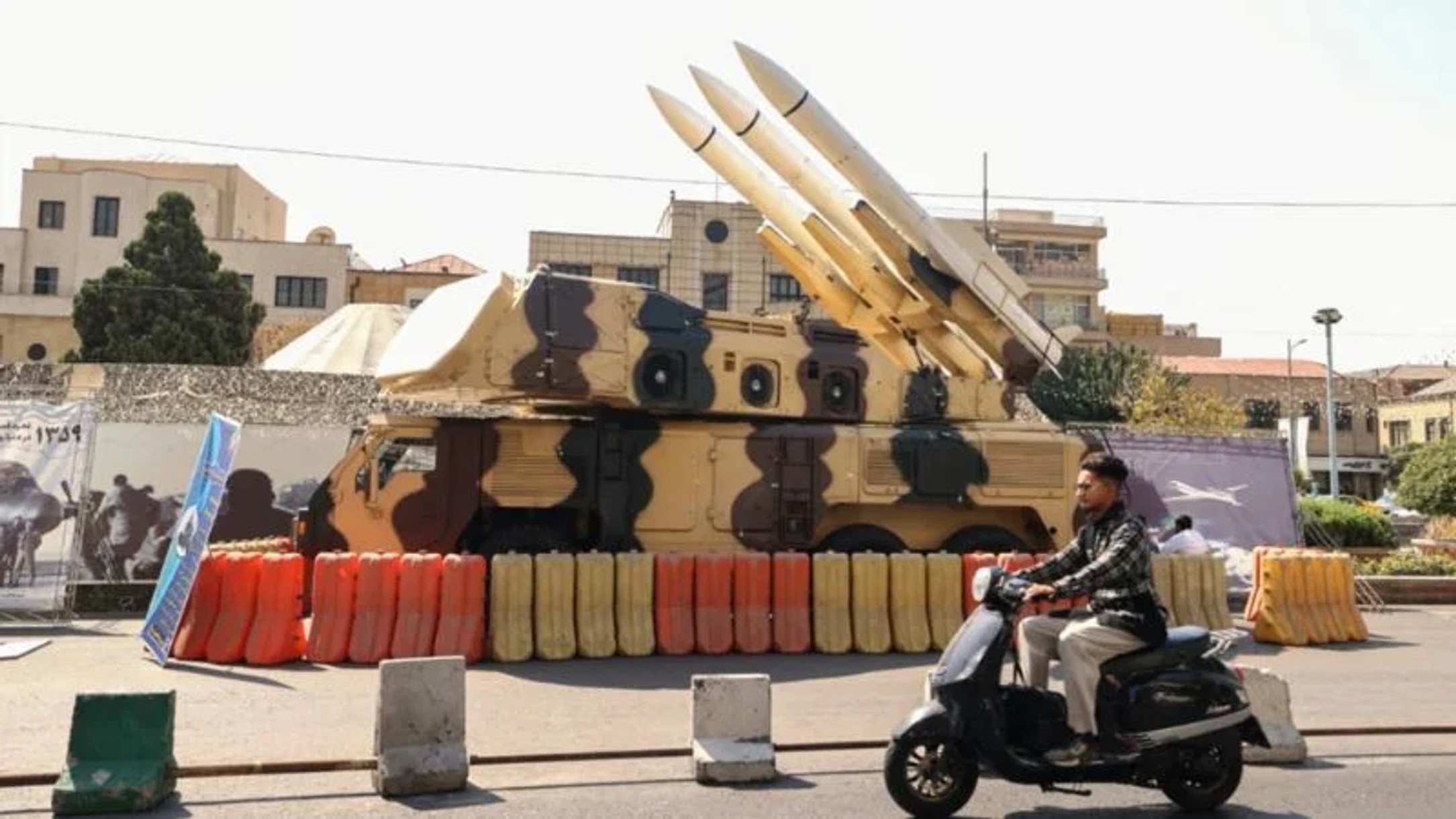
According to Tasnim and Fars, news agencies close to the Islamic Revolutionary Guard Corps, the sound of air defense systems was heard in parts of the capital, Tehran. The systems were active for about 20 minutes, targeting “small aircraft and surveillance drones.” The situation then returned to normal.
Recent actions by the Trump administration have raised fears of a new military operation against Iran. At the same time, the expiration of the deadline for congressional approval in the House of Representatives points to a brewing constitutional dispute between the administration and Congress.
In early March, President Donald Trump formally notified Congress of the strikes on Iran. The 60-day clock began under law from that point. Under the rules, the administration must halt strikes or war if lawmakers do not approve an extension.
Democrats say the president is already on shaky legal ground. Once the deadline passes, he could be considered in violation of the law, they argue. Senate Democratic Leader Chuck Schumer has called on Republicans to help end the war. He said that after the 60-day deadline passes, Trump will be considered in violation of the War Powers Act.
The Trump administration disputes this interpretation. Officials argue that because a ceasefire took effect April 7 and no strikes have been carried out since, the 60-day clock stopped on that date. A senior administration official told AFP that under the War Powers Resolution, the conflict that began Feb. 28 ended when the ceasefire took effect. There have been no exchanges of fire or attacks between the United States and Iran since the ceasefire began April 7.
বাংলায় মূল প্রতিবেদন পড়ুন · Read the original Bengali report