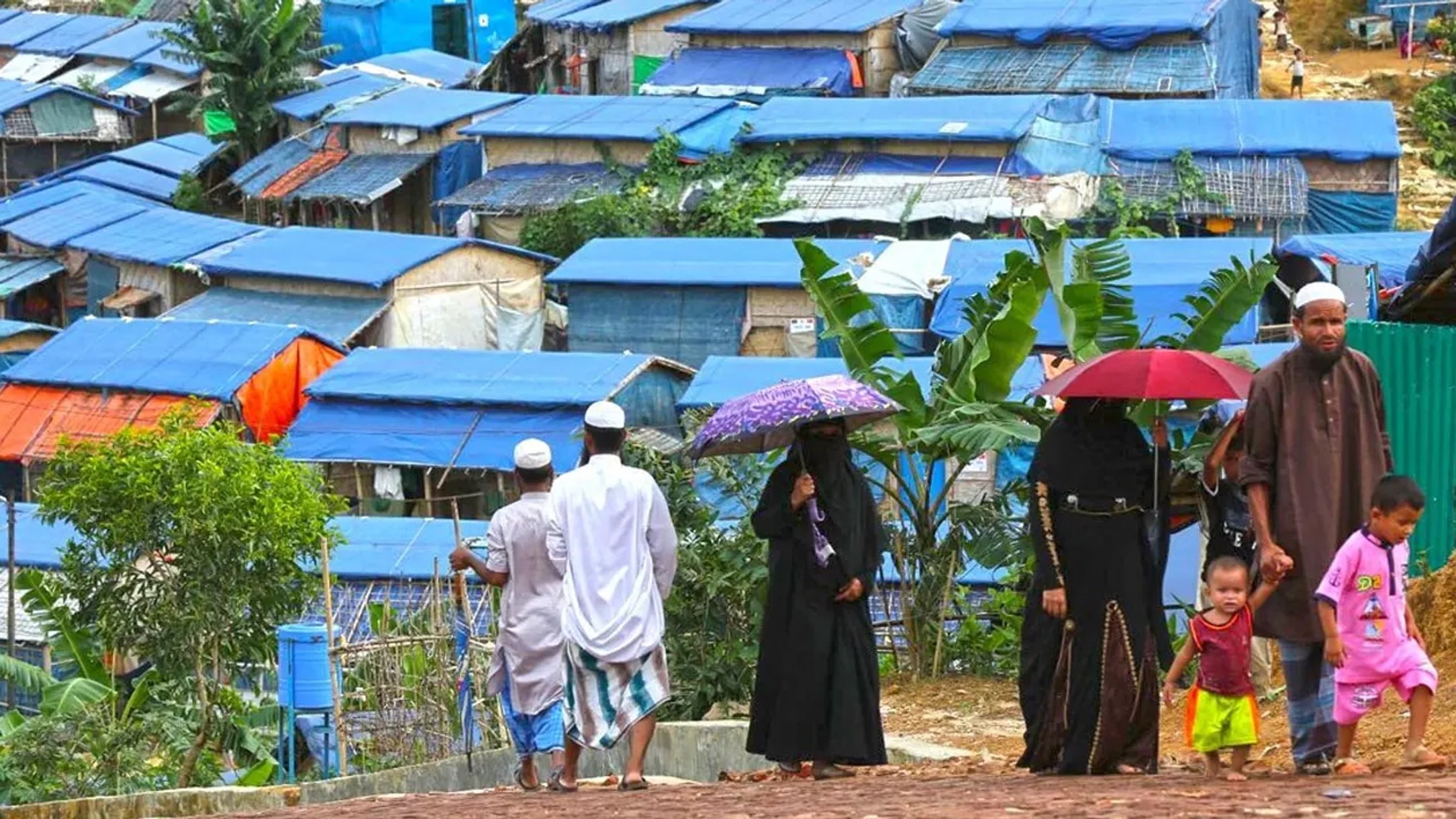
COX’S BAZAR — Rohingya refugees made up more than 74 percent of dengue cases and over 90 percent of dengue deaths recorded in Cox’s Bazar district from January through Nov. 24, the district health office said.
According to data from the Cox’s Bazar civil surgeon’s office, 7,717 dengue patients were identified in the district this year. Of those, 5,720 were Rohingya refugees, an infection rate of 74.12 percent. Eleven people died of dengue in the district over the same period — 10 Rohingya and one Bangladeshi resident. That puts the Rohingya share of dengue deaths at 90.90 percent.
Mohammadul Haque, civil surgeon of Cox’s Bazar, said necessary supplies have been provided to the district hospital, upazila health complexes and field hospitals in the Rohingya camps for dengue treatment. Doctors and nurses have been trained, he said. Measures have been taken to clean up garbage, plastic, drains and water bodies in Cox’s Bazar town, the Rohingya camps and surrounding areas to curb Aedes mosquito breeding. The situation has improved compared with earlier, he said.
The dense population, garbage, accumulated waste and standing water in drains in the Rohingya camp areas are helping mosquito infestations grow, Haque said. Climate change is creating warm temperatures that favor the breeding and survival of mosquitoes and other disease-carrying organisms, which is contributing to the higher mosquito burden, he said. As a result, both infection and death rates are higher in the Rohingya camps, according to the daily Kalbela.
বাংলায় মূল প্রতিবেদন পড়ুন · Read the original Bengali report