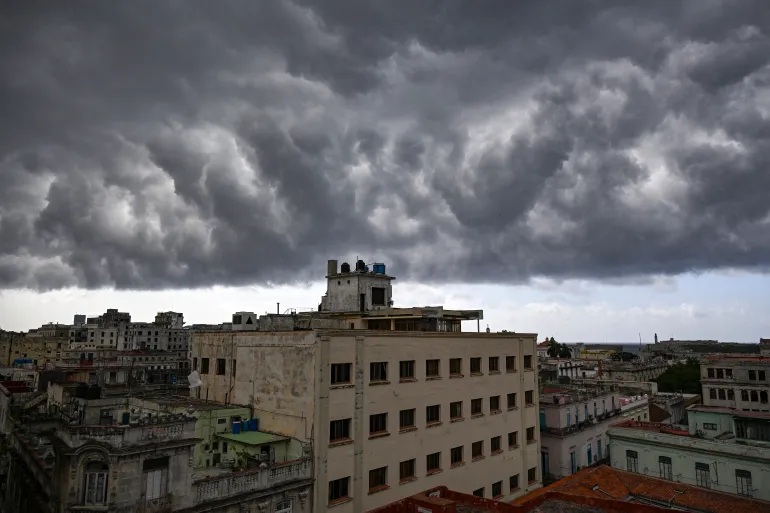
Cuba has been hit by a nationwide blackout for the second time in under a week, plunging the entire island nation into darkness just before nightfall. According to a report by Al Jazeera, the state-run grid operator Union Electrica de Cuba said on Friday that the outage began at 4:30 p.m. local time (20:30 GMT).
Cuba gave no specific cause for the blackout, but coming after a similar outage last Monday, it was the fourth nationwide blackout this year; the country had already lost power twice more in March. Blackouts are nothing new in Cuba, where the power infrastructure is growing older and more dilapidated – much of it built during the Cold War era between 1960 and 1980. The problem has intensified since January this year, when US President Donald Trump effectively cut off Cuba’s foreign oil supply routes.
Cuba has long been under one of the longest trade embargoes in modern history; since the 1960s, Washington has blocked almost all trade with the island, which lies just 140 kilometers (90 miles) off the US coast. Since returning to office for a second term, Trump has stepped up efforts to bring about regime change in the communist-run country, though critics have for years accused the Havana government of human-rights violations, including the violent suppression of dissent.
On January 3, Trump approved a military operation against Venezuela’s socialist president and Cuban ally, Nicolas Maduro. Through that operation, the report said, Maduro was detained and taken to New York, where he remains jailed on drug and weapons charges. Soon after Maduro’s removal, Trump announced that Venezuela could no longer send oil or money to Cuba, and his administration has since controlled Venezuela’s oil exports. On January 29, Trump issued an executive order declaring Cuba an “unusual and serious threat” to the United States, and as part of it warned that countries supplying energy to Cuba would face steep tariffs. Since then, only a single Russian oil tanker reached Cuba’s coast, in March.
Human-rights experts have warned that a continuing energy crisis will severely affect ordinary Cubans, forcing the shutdown of public services such as mass transport. In June, the UN High Commissioner for Human Rights, Volker Turk, presented figures showing that child mortality in the country had almost doubled in recent months. “The energy sanctions imposed since the start of 2026, and the sanctions recently tightened beyond regional limits, are together directly harming ordinary Cubans, especially the most vulnerable groups,” Turk said in a statement. “Doctors are unable to provide care for lack of essential medical equipment and medicines, and children are dying as a result. This is in no way acceptable.”
The Trump administration, for its part, has blamed the blackout on mismanagement by the Cuban government. Before the energy blockade, Cuba had planned to shift much of its power infrastructure from fossil fuels to solar and other renewable sources, and by importing solar technology from China – the main economic rival of the United States – it has now accelerated that transition. Even so, according to 2022 figures, only 18 percent of Cuba’s total energy use came from renewable sources. Cuba has set a target of generating about a quarter of its total energy from renewables by 2030.
বাংলায় মূল প্রতিবেদন পড়ুন · Read the original Bengali report