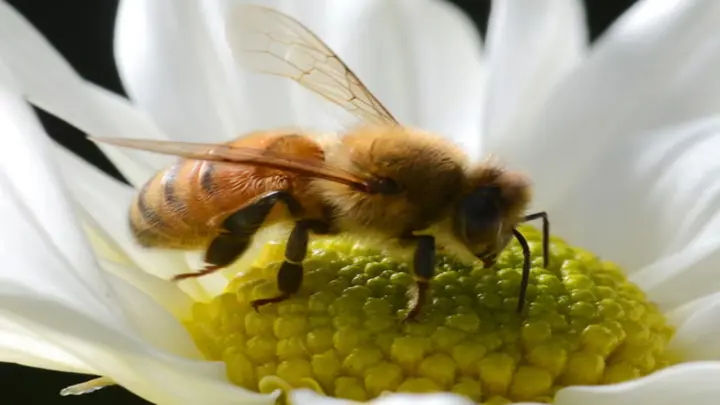
More than 800,000 bees have been stolen from various farms in the north of Queensland in Australia. The bees are thought to be worth several thousand Australian dollars. Those involved regard the thefts as extremely well planned and skilfully carried out.
Tom Bidner, a beekeeper in the Atherton Tablelands, said a total of 44 bee colonies had been stolen from three beekeepers. With at least 20,000 bees in each hive, he calculated that more than 800,000 bees had been taken in all.
The thieves did not take the whole hive. They opened up and removed the “brood box”, the part holding the larvae and eggs needed for the colony to reproduce. They then transferred the bees into their own boxes and put the hives back together as they had been. From a distance there was no way of telling that a theft had taken place.
In Bidner’s view, work of this kind needs special equipment and a good knowledge of beekeeping. The thieves did not take the honey either, so the hives looked almost undisturbed from the outside. He suspects that people familiar with the beekeeping industry may be involved in the thefts.
Detective Sergeant Ben Cross of the Mareeba rural and stock crime squad also believes that someone working commercially, rather than a hobby beekeeper, may be involved.
Because of the thefts, beekeepers are losing not only bees but also the income from pollination contracts. The avocado season is currently under way in north Queensland, and bee boxes are placed on farms for the crop at this time. The bees in those boxes help pollinate the crop. If bees are stolen, farmers as well as beekeepers can suffer.
Bidner said the bee boxes are placed on various farms under contract. Some boxes are also kept beside highways. Hives have been moved about in the past, he said, but he cannot recall a theft on this scale.
The beekeeping industry in north Queensland is meanwhile facing another major problem. The varroa mite parasite has recently been detected for the first time south of Cairns. The parasite is regarded as a serious threat to bee colonies.
Professor Megan O’Mara of the University of Queensland said more than 100 million Australian dollars had been spent on stopping the spread of the parasite since it was detected in Newcastle in 2022. The treatments in use at present, however, are of limited effectiveness. If the parasite spreads beyond control, the loss to the industry over the next 30 years has been estimated at up to 1 billion Australian dollars.
Research is under way internationally to develop more effective treatments against the parasite. An attempt is being made to develop one possible treatment using mRNA technology. Professor O’Mara said it could be several more years, however, before that is ready for use.
In the words of the beekeeper Tom Bidner, the bee thefts and the varroa mite have both created great pressure for them. Because of the warm weather in north Queensland, bees can breed there all year round, so the risk of the parasite spreading is also higher. In that situation beekeepers are having to be even more careful about the security of their bees.
The search for the stolen bees and the investigation into the incidents are continuing. But the planned removal of such a large number of bees has created fresh concern about security in the industry.