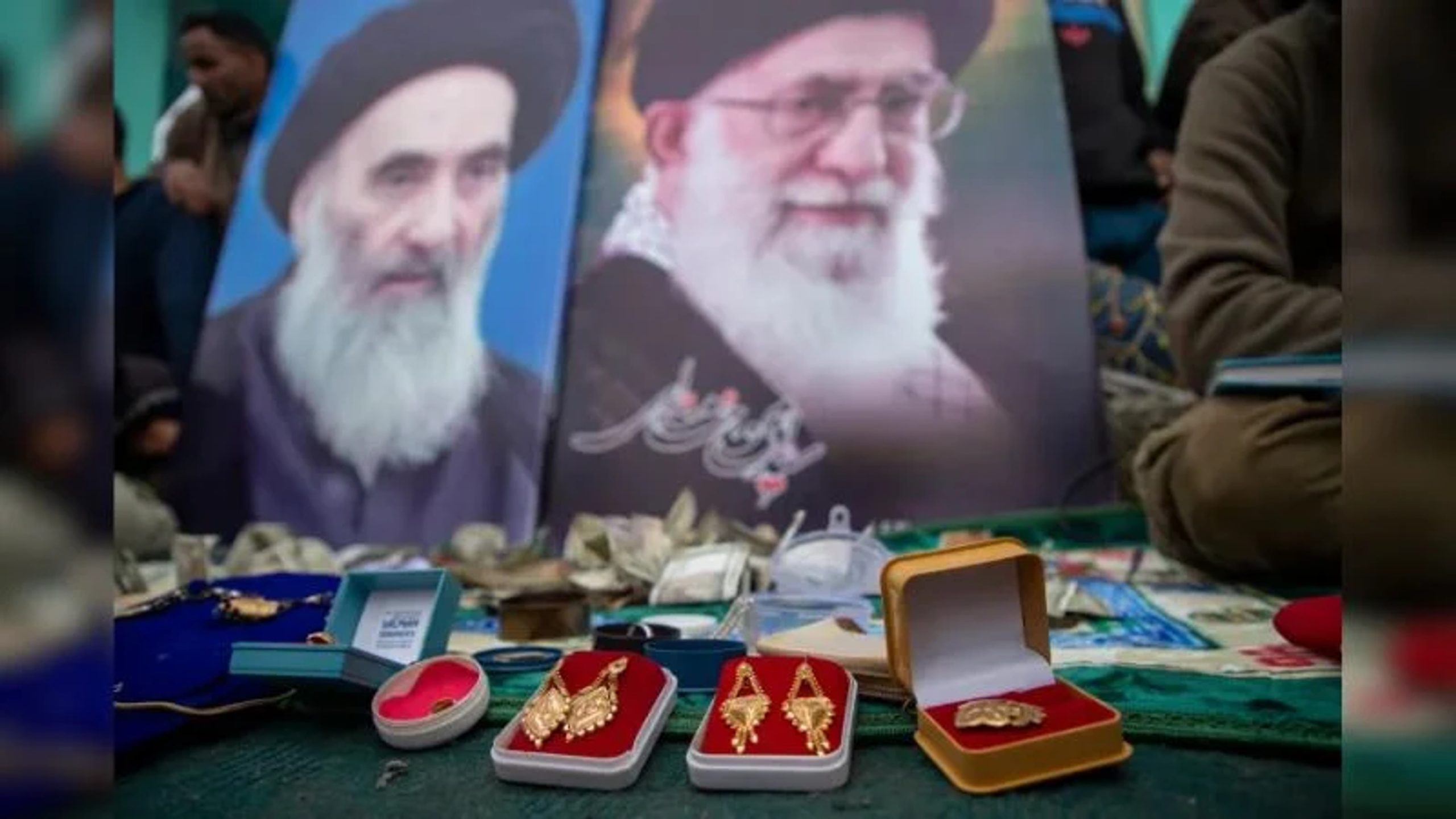
SRINAGAR — When Masrat Mukhtar, 55, a resident of Indian-administered Kashmir, received gold earrings from her father for her birthday, she treasured them for years. Last month, on the day of Eid ul-Fitr, she donated them to a relief fund. Her aim: to stand with ordinary Iranians battered by war with the United States and Israel.
Mukhtar is one of many Kashmiris donating cash, household goods and personal valuables for people living thousands of miles away. Families have given up copper utensils, livestock, bicycles and a large share of their savings. Even children have broken open their clay piggy banks. Shopkeepers and businesspeople have not lagged behind, contributing a portion of their earnings.
Mukhtar, who lives in the Budgam area of Kashmir, said, “We donate what we love most. It brings us closer to them.” Citing Kashmir’s historic identity as “Little Iran,” she said, “Whatever can be done to honor that identity is being done. This bond is above time and conflict.”
The historic and cultural bond, more than six centuries old, has come into sharper public view during the current war. It has drawn the attention of Iranian authorities while raising concerns among Indian officials about some of the fundraising methods.
Donations in the billions
The scale of the donations in Kashmir is striking. According to preliminary estimates by local authorities, the combined value of cash, gold, jewelry, household items, livestock and vehicles could exceed 6 billion rupees, or $64 million.
In Srinagar, Budgam, Baramulla and northern districts of Kashmir, volunteers at fundraising centers are working day and night. A large share of the donations consists of small contributions, such as loose coins, children’s clay piggy banks and ordinary dishware. Syed Asifi, a volunteer in charge of a collection center in Srinagar, said even people of modest means had given what they could.
The Iranian embassy in New Delhi expressed gratitude on the social media platform X for the contributions from Kashmiris. “This generosity will be remembered forever,” the embassy wrote.
Indian authorities, however, have a different concern about the breadth of the donations. Jammu and Kashmir Police and the State Investigation Agency (SIA) said some of the money being collected door-to-door could end up with separatists. Intelligence agencies say that if the collected funds do not reach their intended destinations, they could pose a risk to internal security.
বাংলায় মূল প্রতিবেদন পড়ুন · Read the original Bengali report