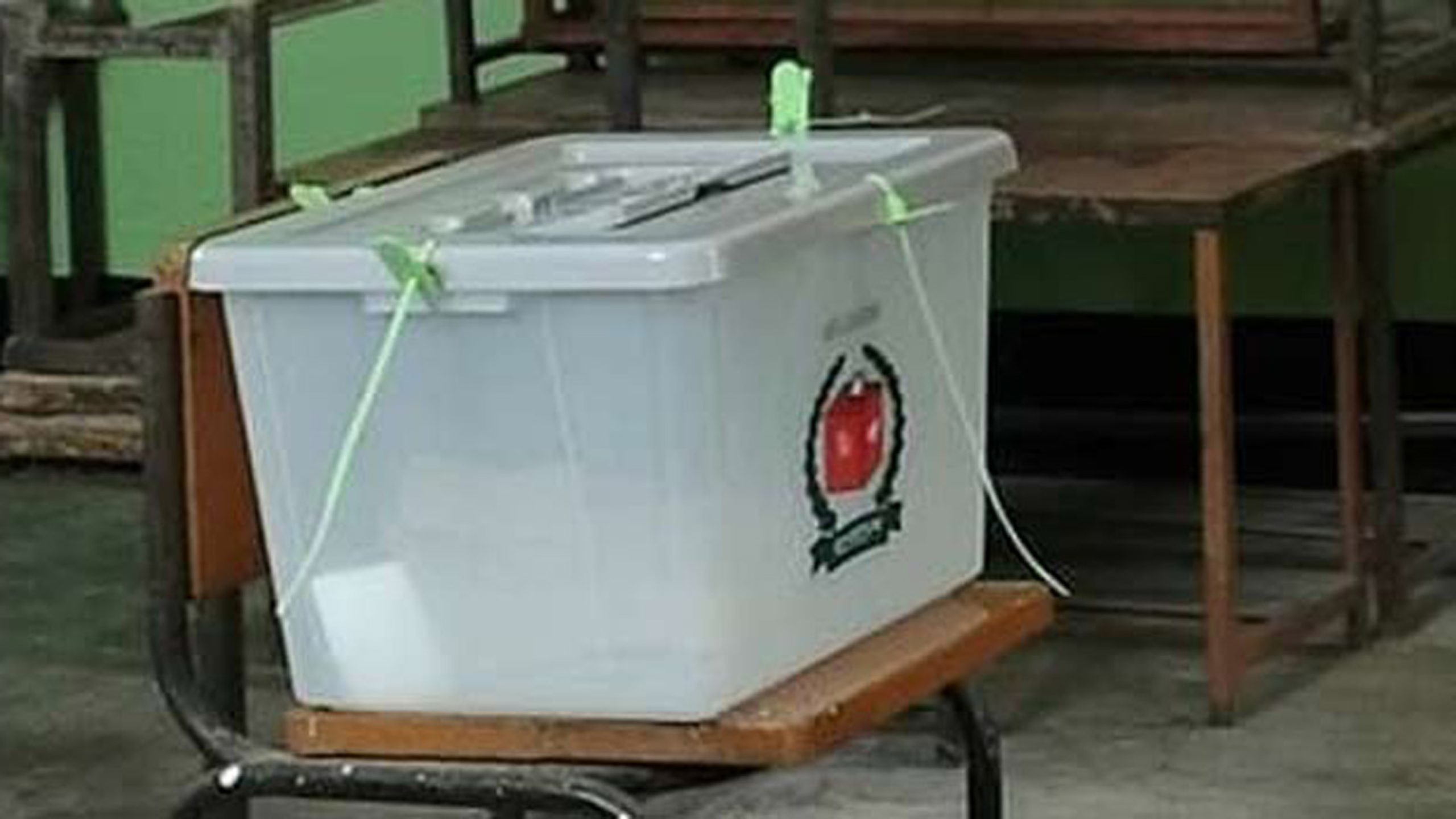
The Election Commission (EC) has made major changes to the Polling Station Establishment and Management Policy-2025 ahead of local government institution elections scheduled for later this year. Under the new amendment, draft polling station lists must now be published well ahead of the election. At the same time, the number of voters per polling booth has been increased while the number of booths has been reduced.
However, to manage the resulting pressure, provision has been made for setting up multiple secret voting compartments or marking places within each booth.
The amended notification, signed by senior assistant secretary Md. Rashid Miah on the order of the Election Commission, was published in an extraordinary issue of the Bangladesh Gazette on July 7.
Extended timeline for publishing polling station lists
The deadline previously set for finalizing or publishing polling station lists has been extended by another 10 days under the new amendment. This will give election officials and voters extra time to learn about their polling stations. According to sub-clauses 1.2 and 1.3 of item 1 on page 6530 of the gazette, the rule previously required this process to be completed no later than 15 days before the polling date. Under the revised policy, “15 days” has been replaced with a requirement to complete the process no later than 25 days before polling.
Changes to polling booth allocation and voter distribution
The EC said major changes have been made to how booths, or polling rooms, are determined at polling stations, for both general elections and by-elections. Voter capacity has been increased for both men’s and women’s booths.
For general elections: Before the amendment, the general rule was one polling booth for every 400 male voters and every 300-350 female voters. Now, that capacity has been increased to one polling booth for every 600 male voters and every 500 female voters.
For by-elections (single post): Before the amendment, by-elections for a single post generally allocated one polling booth for every 500 male voters and every 400 female voters. After the amendment, by-elections will now follow the same standard as general elections — one polling booth for every 600 male voters and every 500 female voters.
Multiple secret compartments within polling booths
To ensure that reducing the number of polling booths does not slow down voting, the revised policy adds a new and effective measure. Under the new rule, each polling booth may now have multiple secret compartments or marking places set up as needed, for voters’ convenience and to speed up voting.
Unchanged rules
Some basic rules of the policy remain unchanged. For instance, on average, one polling station must be established for every 2,000 voters. A polling station must be set up within the boundary of each general ward. However, multiple polling stations may be set up based on practical circumstances and local needs.
Election Commission officials believe the amendment will somewhat reduce the cost and manpower needed for polling station management, and that the longer lead time will allow for more precise management of polling stations.
বাংলায় মূল প্রতিবেদন পড়ুন · Read the original Bengali report