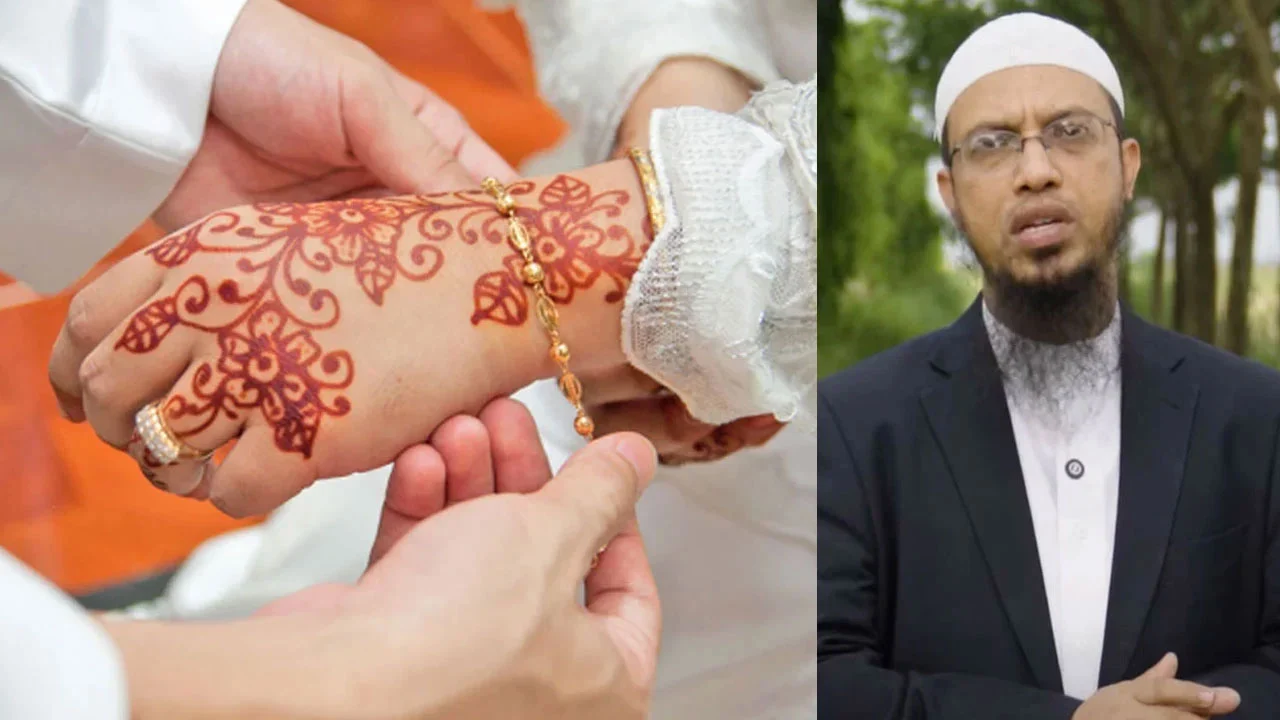
Islamic scholar and As-Sunnah Foundation chairman Shaykh Ahmadullah said that, in the literal sense, caring for one’s parents-in-law is not obligatory for a daughter-in-law. However, he said treating them well according to one’s ability is a noble duty for a good Muslim. Because they are older and comparable to parents, respecting and caring for them reflects religious devotion.
He made the comments in response to a recent question. Ahmadullah said a husband does many things for his wife’s happiness and his children’s future that are not obligatory for him, such as building a home in the city, buying a car or maintaining a bank balance. Since a husband does so much for his wife beyond his religious obligations, he said, a wife should also respect and care for her husband’s parents.
He added that a husband is busy outside the home to improve the family and may not have enough time for his own parents. His wife should therefore stand by them out of humanity. A daughter-in-law will one day become a mother-in-law herself, he said; just as she may hope for care and hospitality from her own daughter-in-law, she should show the same treatment to her parents-in-law now.
What the hadith says
If a daughter-in-law cares for her parents-in-law out of goodwill and love, it is praiseworthy and brings reward, Ahmadullah said. But Islam does not support forcing her to do so. A hadith says that caring for parents is the responsibility of their children, not the daughter-in-law (Al-Bahr al-Ra’iq 4/193; Kifayatul Mufti 5/230).
বাংলায় মূল প্রতিবেদন পড়ুন · Read the original Bengali report