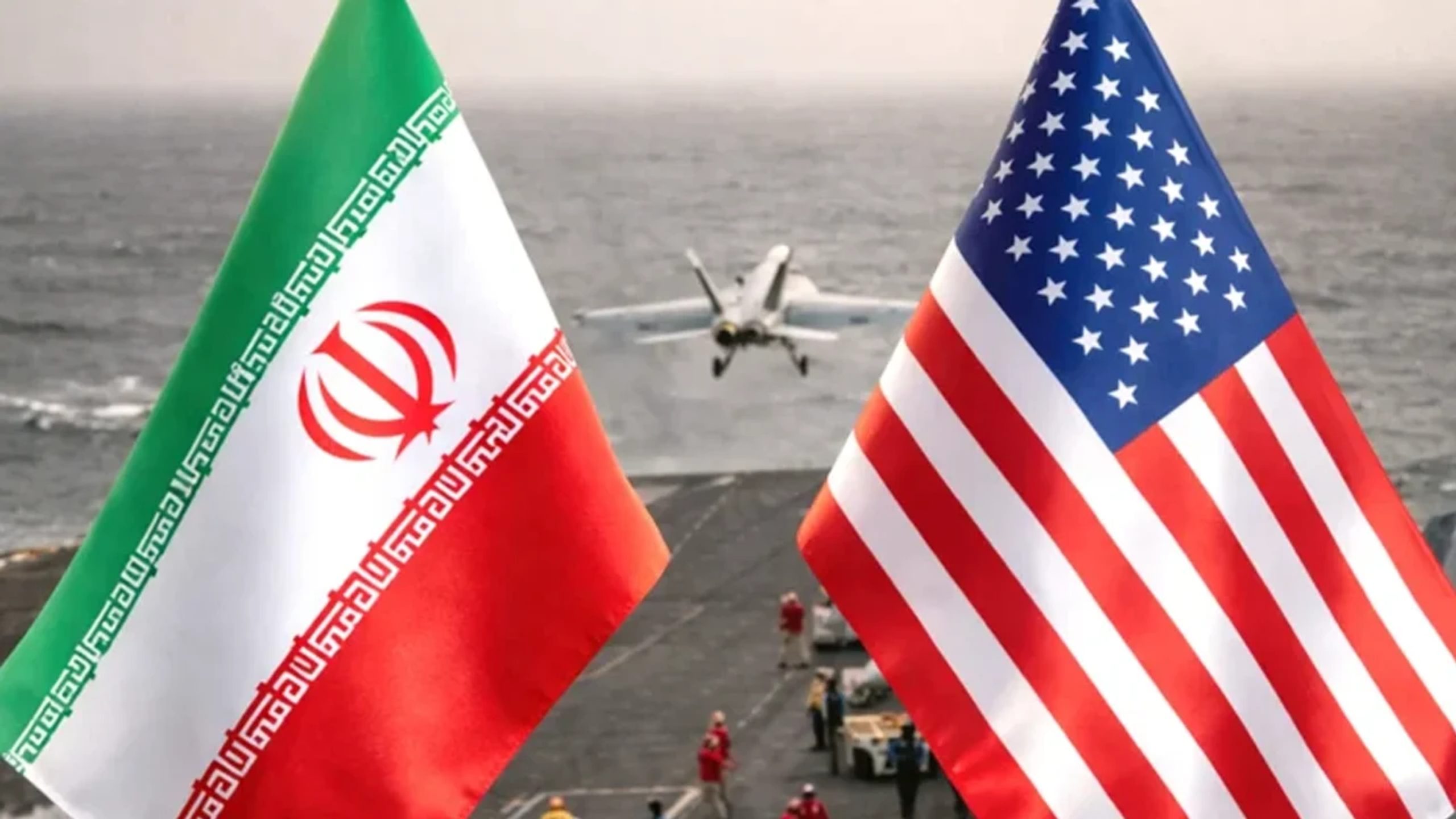
Amid nearly two weeks of continuing fighting between the United States and Iran, Washington has made a fresh ceasefire proposal to Tehran. But Iran has directly rejected the proposal, which was made through the mediation of Iraqi Prime Minister Ali al-Zaidi.
This was reported on Friday by the US outlet The New York Times.
Citing several Iranian and Iraqi officials aware of the matter, the newspaper said Iraqi Prime Minister al-Zaidi carried the US proposal during a visit to Tehran, after a recent meeting with US President Donald Trump at the White House.
The report said the details of Washington’s proposal were not known. But Iranian officials described it as the only proposal on the table at this moment. Tehran rejected the proposal because it contained no specific solution to problems related to control of the important Strait of Hormuz.
The New York Times said, however, that the matter could not be independently confirmed with the Iranian authorities.
The Iraqi prime minister’s Tehran visit
This was Iraqi Prime Minister al-Zaidi’s first official visit to Iran since he took office last May. During the visit he met Iranian President Masoud Pezeshkian, leading a high-level ministerial delegation. In the meeting the two sides held detailed discussions on bilateral relations, the regional political situation and efforts to strengthen security and stability.
Iranian officials said that, alongside implementing previously signed agreements, the two governments called for greater cooperation on trade, energy, transport and regional issues.
According to Iranian media sources, al-Zaidi also held separate meetings with Iran’s chief negotiator and parliament speaker, Mohammad Bagher Ghalibaf, and Foreign Minister Abbas Araghchi.
Fear of a wider conflict and the military situation
The New York Times report also said Iranian officials were preparing for the possibility of a wider regional conflict should the Trump administration strike Tehran or other key infrastructure in the country.
Citing two Iranian officials, it said that if any such attack were carried out, Tehran would be compelled to spread the conflict across the whole region. As part of this, it might directly target Israel’s Tel Aviv and call on Yemen’s Houthi group to close the strategic Bab al-Mandab strait.
Meanwhile, US Central Command (CENTCOM) said US forces struck various military and strategic targets in Iran early on Friday, for the 13th night in a row.
On the other side, Iranian authorities said on Wednesday that the death toll in the country from these successive US strikes had risen to 53. At the same time, at least 592 others were injured in the strikes.
বাংলায় মূল প্রতিবেদন পড়ুন · Read the original Bengali report