The Pentagon, the US defence department, has called on the country’s arms makers to rapidly increase weapons production, as stockpiles have run down due to the ongoing war with Iran and other factors. In a statement on Saturday, Pentagon spokesman Sean Parnell said the department was pressing to increase arms procurement to quickly supply the military with the weapons it needs, and that various steps had been taken over the past week to speed the process. But, he said, the move was not prompted solely by the ongoing five-month war with Iran; a major effort to modernise the US arsenal had already been under way.
US deputy defence secretary Steve Feinberg sent a letter last Wednesday to the heads of arms-making firms, giving them up to 21 days to set out plans to quickly supply and increase production of important weapons and military equipment. The Washington Post obtained a copy. Feinberg wrote that carrying out the arms-making process over years is no longer acceptable; production must now be far faster and capacity increased further. US stocks of advanced missile-defence weapons had already been falling, and the recent Iran war has strained them further. Experts say that if shortages arise in both offensive and defensive weapons, US troops could be put at security risk.
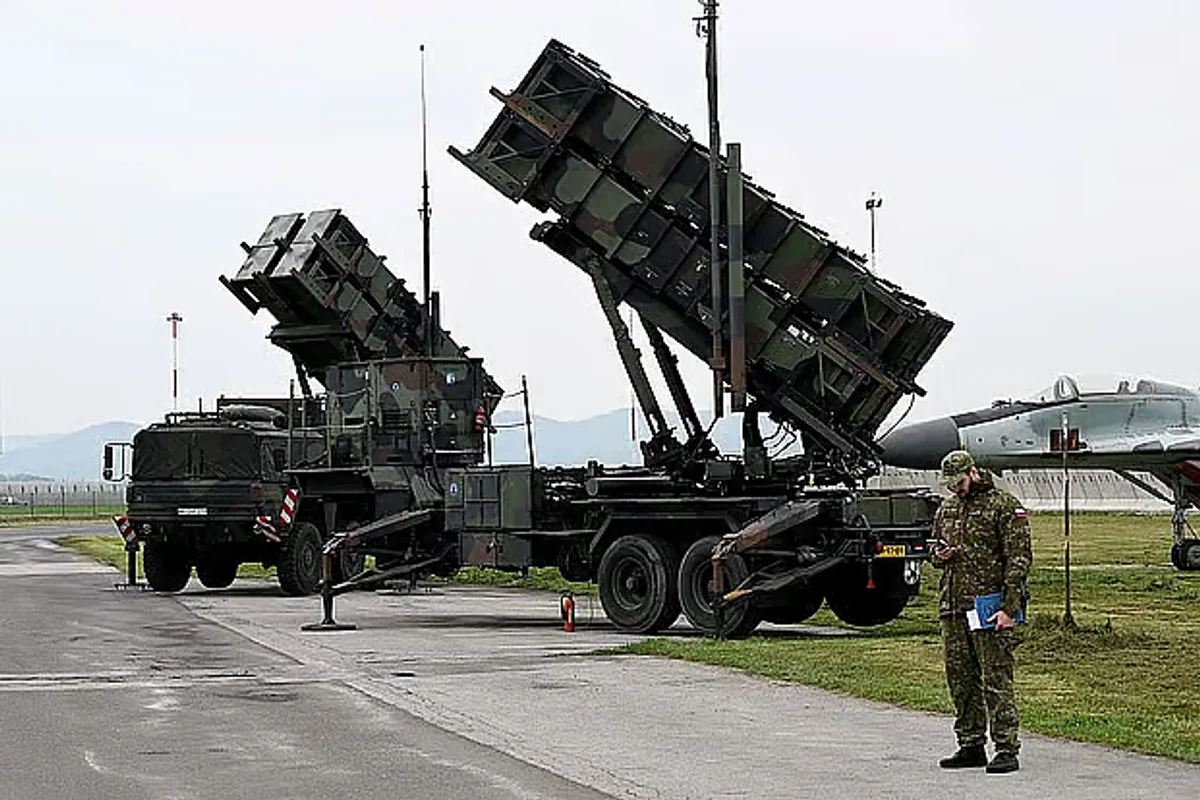
An analysis by the Washington-based Center for Strategic and International Studies (CSIS) said that with Patriot and THAAD missile-defence stocks down, the US and its Middle East allies may grow more cautious in using these systems — for instance, US forces might fire fewer defensive missiles to counter Iranian drones and missiles, raising the risk of Iranian missiles or drones penetrating US defences. US President Donald Trump reacted angrily to the disclosure of the depleting stocks, again claiming last Thursday that the US had faced no strategic problem over weapons stocks in the five-month war. On his own social platform Truth Social, Trump wrote that the US has vast quantities of weapons, especially large stocks of certain types, and claimed large consignments were being produced and sent to the US as needed, with defence firms building the most weapons factories in US history.
On Saturday, Parnell said reports that Feinberg had sent a letter directing a rapid production increase were true, and that the directive would help in preparing the FY2028 budget to be sent to Congress for funding, fully consistent with the ongoing effort to rebuild US defence-industrial capacity. Meanwhile, a defence-spending bill is stuck in the US Congress, with lawmakers angered over Trump’s military campaign against Iran and objecting to the White House’s request to raise the Pentagon budget from about $900 billion last year to $1.5 trillion. Experts warn that even with huge new allocations, restoring Patriot and THAAD stocks to pre-war levels could take at least three years. By CSIS’s count, the US had 2,330 Patriot interceptors before the war; by the April ceasefire this had fallen to 1,030, and after recent fighting the stock is estimated to have dropped further to 759-827 — down at least 65% from before the war. THAAD stocks have also fallen: from 452 before the war to 232-262 at the start of the April ceasefire, later rising to 234-278 as some were added — still at least 38% below pre-war levels. Early this month the US defence department signed new deals with two big defence firms, Lockheed Martin and Northrop Grumman, to boost production of components used in missile-defence systems. Mark Cancian, a CSIS analyst and former US Marine officer, told Al Jazeera on Wednesday that the US does not have many of these missiles and has no good alternative; if Patriot missiles run out, Iranian missiles will easily penetrate US defences.
বাংলায় মূল প্রতিবেদন পড়ুন · Read the original Bengali report