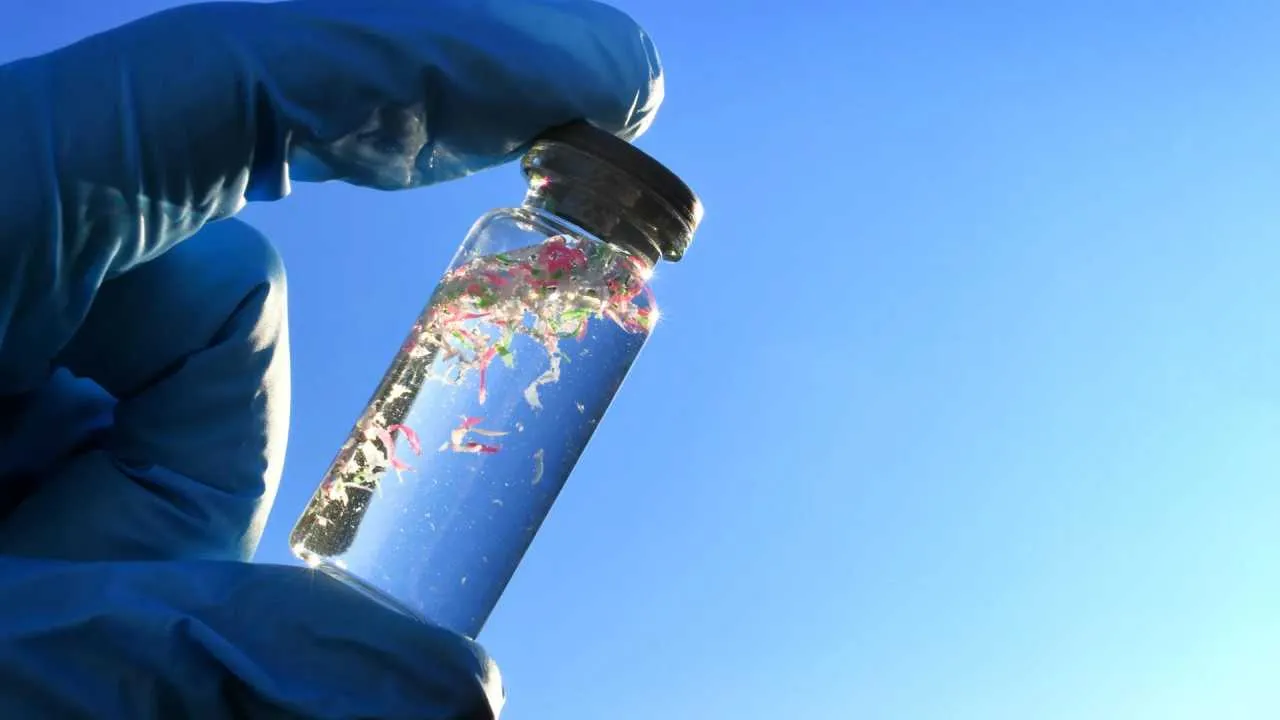
Everyday habits — brushing your teeth in the morning, drinking bottled water, moving through street dust or eating food kept in plastic containers — are unknowingly introducing into the body the tiny plastic particles known as microplastics. Though invisible to the naked eye, recent research has detected them in human blood, lungs, liver, placenta and even brain tissue, and concern is rising worldwide.
The issue has drawn fresh attention after reports that microplastics were present in several toothpastes sold in the Bangladesh market. But experts say toothpaste is not the only source of this contamination. These tiny particles also enter the body through daily food, water, air, cosmetics, clothing and various plastic products.
Microplastics generally means plastic particles smaller than 5 millimetres. Some are manufactured small in industry; others form as plastic bottles, polythene, food packaging, tyres, synthetic fabrics and other plastic products break down into tiny particles over time.
According to experts, once released into the environment these particles are not easily destroyed. Instead they remain in rivers, seas, soil and air for a long time, entering the human body as part of the food chain.
Research has found microplastics in sea fish, shrimp, shellfish, salt, bottled water, tap water, tea bags and some toothpastes and cosmetics. Tiny plastic particles floating in the air can also enter the lungs through breathing. Keeping hot food in plastic containers or storing water in plastic bottles for long periods also risks mixing microplastics into food and drink.
Once considered mainly an environmental problem, the issue has now become an important public health concern. According to researchers, chemicals can enter the body along with microplastics and may affect the normal functioning of hormones. Research has also hinted at possible links to inflammation, cell damage, oxidative stress, reproductive health complications, imbalance of gut microbes and heart disease. Scientists say more extensive research is needed to reach firm conclusions about long-term effects on the human body.
According to health experts, children, pregnant women, the elderly and people with long-term illnesses may be at relatively higher risk. Because children’s bodies are still developing, the effects of contamination may be greater on them.
Experts say that while it is not possible to avoid microplastics entirely in current conditions, some changes in habits can reduce the risk: using glass or stainless steel instead of plastic containers, not keeping hot food in plastic, reducing single-use plastic, drinking safe water, regularly cleaning household dust, using natural-fibre clothing, and being aware of the ingredients before buying toothpaste and cosmetics.
According to environmental and public health experts, alongside individual awareness, effective policies on plastic production and use, improved waste management, stricter monitoring of industry and greater use of safe alternative products are essential. At the same time, more research is needed into the true extent and health effects of microplastic pollution in Bangladesh.
বাংলায় মূল প্রতিবেদন পড়ুন · Read the original Bengali report