KOLKATA — West Bengal witnessed an unprecedented and bloody political shift Monday as early counting trends showed the Bharatiya Janata Party (BJP) heading to a historic victory, ending 15 years of Trinamool Congress rule. The BJP was leading in 192 seats, crossing the majority mark, while the ruling Trinamool Congress was ahead in only 97 seats, according to the latest Election Commission figures.
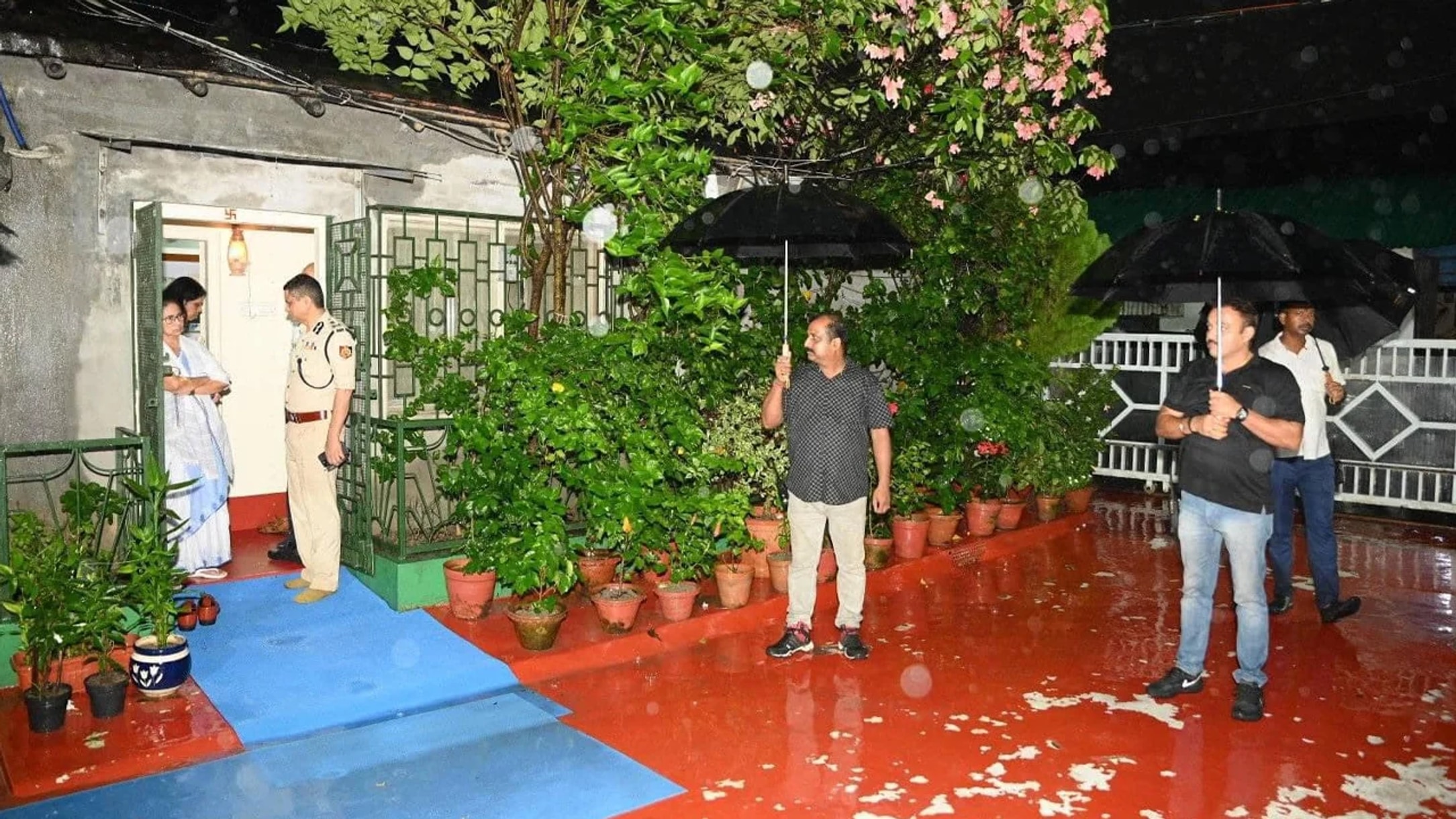
The political shift has triggered widespread unrest and clashes across the state. As the BJP scented victory, complaints of attacks on Trinamool leaders and workers surfaced alongside celebrations in several areas. The situation was so tense that the Election Commission ordered central forces deployed outside the Kalighat residence of Chief Minister Mamata Banerjee and her nephew Abhishek Banerjee, despite the existing tight security.
Examining the result, senior BJP leader Suvendu Adhikari said the win was the product of planned polarization. He said the party had succeeded in consolidating Hindu votes across the state, while the Trinamool’s traditional “Muslim vote bank” had collapsed entirely. This unprecedented Hindu vote consolidation gave the BJP a one-sided lead from north Bengal to Jangalmahal, he said. Issues from the Sandeshkhali controversy to the implementation of the Citizenship Amendment Act (CAA) had raised security concerns among Hindu voters, which translated into ballot-box support for the BJP, Adhikari said. The Left and Congress also saw a small rise in vote share, splitting Trinamool votes in several seats and indirectly paving the way for the BJP’s victory.
Disillusionment among the minority community was a significant factor behind the Trinamool defeat. Legal disputes over Other Backward Classes (OBC) reservation and the cancellation of Muslim OBC certificates angered hundreds of thousands of job-seeking youths, who turned against the ruling party. Long-running discontent over the management of Waqf properties added to the resentment. A significant portion of the state’s Muslim voters shifted from the Trinamool to the Indian Secular Front (ISF) or the Left-Congress alliance. In minority-dominant districts such as Malda, Murshidabad and North Dinajpur, this vote split delivered the final blow to the Trinamool. Many political analysts said the government had treated minorities as a vote bank and prioritized coercive policies over their demands, which triggered the revolt.
The deletion of about 9.1 million names from voter rolls before the election also weighed heavily on the result. The largest deletions occurred in districts such as North and South 24 Parganas and Murshidabad, where the Trinamool had its strongest base. The administrative shake-up disrupted the Trinamool’s vote arithmetic from the start. Recruitment scandals in education and ration distribution, along with the jailing of senior leaders, had deepened public doubts about the government’s transparency. A record turnout of more than 92 percent showed voters were determined to bring change. Caught between Hindu vote polarization and Muslim vote fragmentation, Mamata Banerjee’s once-impregnable fortress now appears headed for collapse.
বাংলায় মূল প্রতিবেদন পড়ুন · Read the original Bengali report