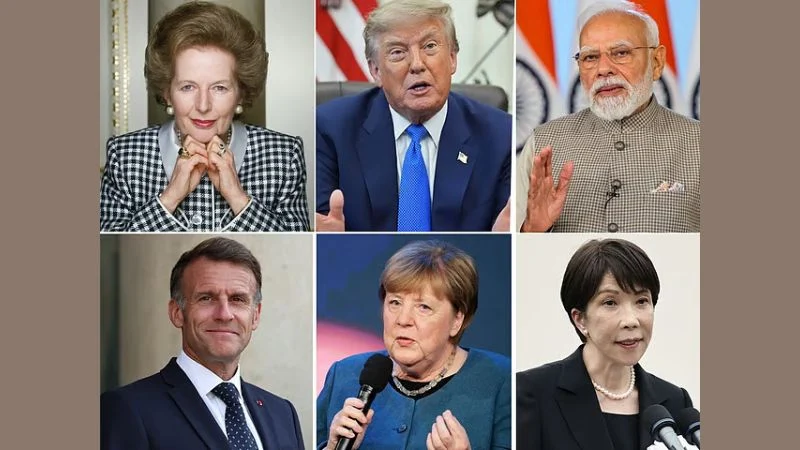
Running a country is plainly not a nine-to-five job. There are late-night negotiations, early-morning briefings, emergencies and meetings that pay no attention to time zones, and a long list of engagements, speeches and travel. How much time does a world leader actually get to sleep?
The question has resurfaced after an admission by Japanese Prime Minister Sanae Takaichi, who said recently that there had been nights since she took office when she got no sleep at all.
In a post on X during a public holiday last month, Takaichi wrote that she had “finally had the chance to sleep five hours straight”. Describing that as rare, she said her usual sleep since becoming prime minister had fallen to between zero and at most three hours a night.
Her disclosure has revived a long-standing concern in Japan, where excessive working hours and deaths from overwork have been a national problem for decades. It also raises the question of whether long hours really demonstrate a political leader’s resolve and dedication, and whether insufficient sleep becomes a risk when heads of government are taking decisions that affect citizens’ lives.
Information on how much heads of government sleep comes from their own interviews and from established media reports. US President Donald Trump gets four to five hours. He has long presented himself as someone who sleeps little.
In a 2017 interview with Fox News, Trump said he usually slept four or five hours a night. The Associated Press reported at the time that he worked until midnight or 1am and woke at about 5am.
Indian Prime Minister Narendra Modi sleeps considerably less than the recommended amount for adults. At an event hosted by the Bollywood actor Akshay Kumar in 2019, Modi said he slept three to four hours, but that his sleep in that time was deep.
French President Emmanuel Macron sleeps three to four hours a night, a figure reported by the Financial Times early in his presidency. Other reports from that period described him working and staying in contact with aides late into the night.
Sleep patterns are known for several former leaders as well. In a 2016 report, The New York Times said Barack Obama generally slept five hours. After eating with his family in the evening he would work alone for several more hours, reading briefing papers, writing and preparing for the next day.
A remark by former German chancellor Angela Merkel about sleep has been widely discussed; she compared herself to a camel because she slept so little. According to a Reuters report, Merkel said she would work continuously if she knew she could make up the deficit later, and then sleep. In other words, she made up afterwards for the sleep lost to heavy workloads.
More than two decades ago, before the dominance of smartphones, 24-hour news and constant contact with political circles, Margaret Thatcher also presented herself as someone who slept little. In a 1989 interview with The Sun, the former British prime minister said: “To be honest, these days I find it very difficult to sleep more than four hours.”
বাংলায় মূল প্রতিবেদন পড়ুন · Read the original Bengali report