When you speak to the world’s football lovers about the magical aesthetics of the game, the first image that comes to mind is the star players on the pitch. But where the ball that crashes into the goal is born remains unknown to many. Surprising as it may be, the true heartland of the world’s football production — known as the ‘football factory’ — is the Pakistani city of Sialkot. This city in north-east Pakistan has become an inseparable part of world football.
Statistics show that about 70 percent of all the footballs in the world are made in Sialkot’s factories. More than 300,000 footballs leave the city for various parts of the world every day. And in World Cup years the figure becomes truly incredible: in a World Cup season the city exports around 40 million footballs.
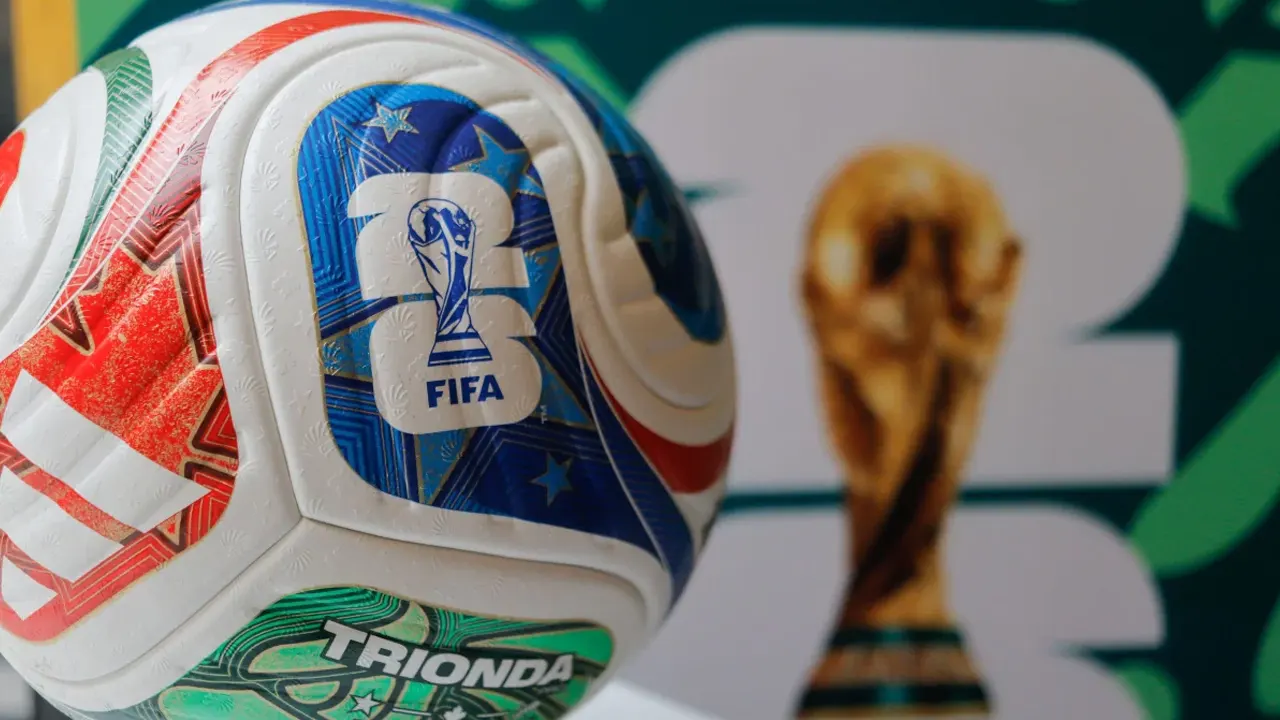
Interestingly, the Pakistan national team has never qualified for the FIFA World Cup finals. Yet for more than 44 years, the balls that have shaken the pitches of every World Cup have been born in Sialkot. In particular, Sialkot’s ‘Forward Sports’ company, founded in 1991, has taken itself to a unique height in world football. The Brazuca of 2014, the Telstar 18 of 2018, the Al Rihla of 2022 and the Trionda of the 2026 edition — the city’s craftsmen have made the official match balls used at four consecutive World Cups. On one hand, the regret of the national team’s absence from the global stage; on the other, being an inseparable part of every major football tournament in the world — this paradox has given Sialkot a curious identity. Goals on the pitch may come from the magic in players’ feet, but behind that magic this Pakistani city works tirelessly as the craftsman. This unofficial ‘factory’ of the football world is today a unique and proud name in global sport.
বাংলায় মূল প্রতিবেদন পড়ুন · Read the original Bengali report