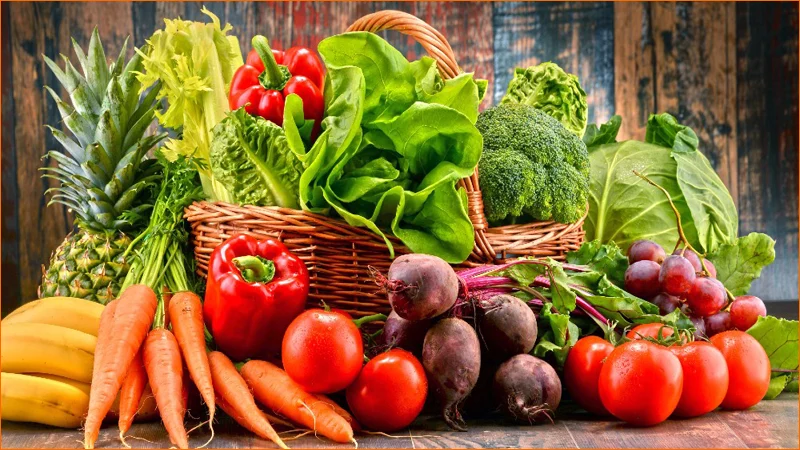
Fresh vegetables, and various leafy greens, are available in the market during the monsoon, but it is not wise to eat all of them at this time. The extra humidity of the rainy season allows germs to multiply, and vegetables risk greater contamination, with bacteria such as E. coli and salmonella becoming more common in food. Even home-cooked vegetable dishes can cause infection in this season, according to a report in the Indian outlet Ei Samay. So it is worth knowing which vegetables are best avoided in the monsoon.
Leafy greens: It is better not to eat leafy greens in the monsoon. Insects and germs can cling to the leaves, rainwater collecting on the greens allows bacteria to multiply, and mud often sticks to them. So it is best not to eat leafy greens at this time; if you do, they should be washed well and boiled, and never eaten raw.
Cabbage-family vegetables: Cabbage and cauliflower are now available all year round, but it is better not to eat these vegetables in the monsoon. Cabbage can harbor insects or worms, cauliflower too can contain pests, and humidity increases bacteria in both.
Mushrooms: Avoid mushrooms in the monsoon. This vegetable grows in damp places and absorbs moisture very quickly. Bacteria increase in the rainy season and affect mushrooms too, so eating them in this season raises the risk of food poisoning.
Which other vegetables should be avoided? Vegetables such as potato, onion and carrot grow underground, while brinjal and tomato rot quickly, so these should be avoided in the monsoon. But since these vegetables cannot always be avoided, whenever you buy them in the rainy season, wash them well. You can soak them for a while in water mixed with salt or vinegar, then wash, drain and dry them before refrigerating, and cook vegetables on high heat.
বাংলায় মূল প্রতিবেদন পড়ুন · Read the original Bengali report