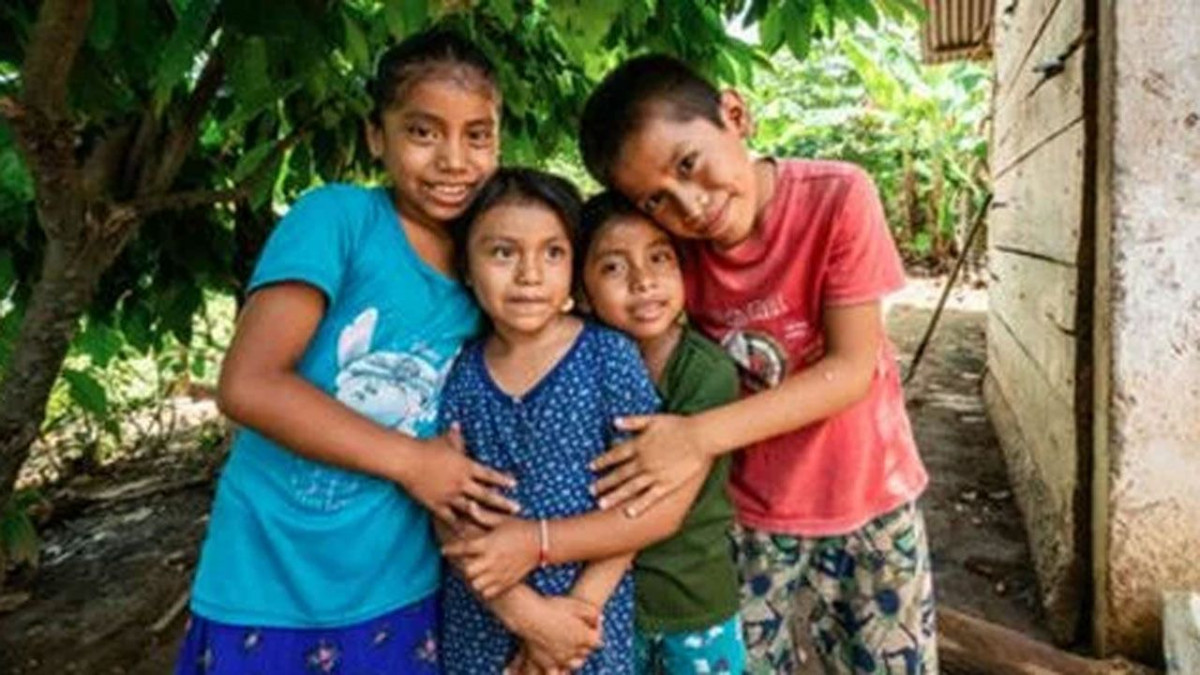
Millions of children in Latin America are at risk from severe droughts and floods caused by what could be the strongest El Niño on record, the UN children’s agency UNICEF has said.
El Niño is a natural climate pattern in which sea surface temperatures in the equatorial Pacific rise above normal, changing wind and rainfall patterns around the world. This year’s El Niño is expected to be the strongest yet recorded.
UNICEF said about 25.8 million children in Latin America, one in seven, face “growing risk” from droughts and floods, which are already causing extensive damage in parts of South and Central America.
Roberto Benes, UNICEF’s regional director for Latin America and the Caribbean, said in a statement that these conditions could push more children into deep crisis and widen existing inequalities.
Different effects in different regions
El Niño is affecting different parts of Latin America in different ways. In Central America, drought is damaging crops in Guatemala, El Salvador, Honduras and Nicaragua, raising the risk of child malnutrition. Many children in these countries already lack enough food and safe water, UNICEF said.
The risk of wildfires has risen in parts of Bolivia, Colombia, Chile and Venezuela, while falling river levels in the Amazon basin could cut many riverside communities off from the outside world.
Further south, heavy rainfall on the Pacific coasts of Mexico and South America will raise the risk of flooding, which could damage schools and health facilities.
UNICEF said El Niño could also add to hardship in Cuba and Haiti, and its effects are also being seen in this year’s unusually strong Pacific cyclone season. “A single major storm can cause widespread destruction and disrupt the lives of millions of children,” Benes warned.
UNICEF says it needs $53.8 million to respond to the El Niño emergency in Latin America, but had raised only half of that by June 30. Like other UN agencies, UNICEF has faced a major funding crisis since US President Donald Trump returned to power last year.
বাংলায় মূল প্রতিবেদন পড়ুন · Read the original Bengali report