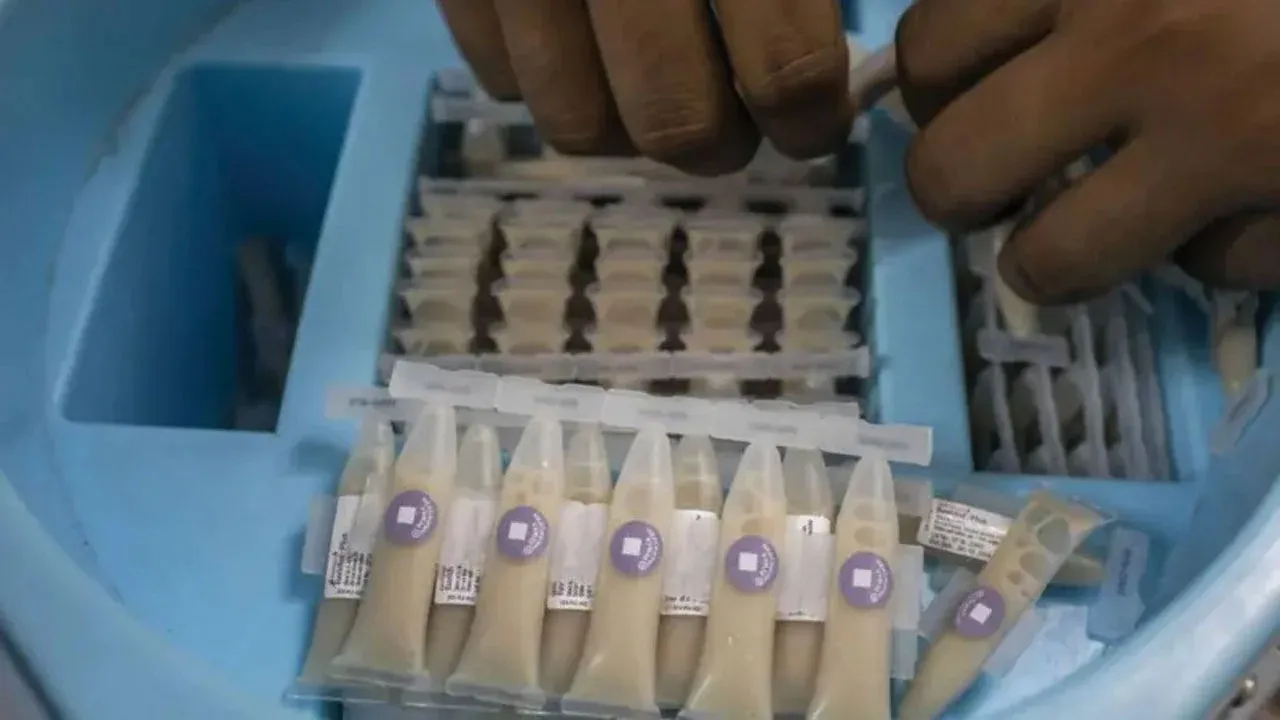
The Bangladesh government is launching a special vaccination campaign nationwide to prevent cholera. The first phase of the campaign begins Saturday, August 22, with support from icddr,b, the World Health Organization (WHO), UNICEF and the Red Crescent Society. Under the “Preventive Oral Cholera Vaccination Campaign 2026,” about 5.175 million people in 14 high-risk upazilas and thanas across the country will receive two doses of oral cholera vaccine.
The first dose will be given from August 22 to September 21. The second dose will be given between September 26 and October 25.
Why the sudden initiative?
The Directorate General of Health Services (DGHS) says the vaccination campaign was launched not as a reaction to a cholera outbreak, but with the aim of prevention before the disease strikes. Professor Dr. Md Halimur Rashid, director of DGHS’s disease control branch, said this was not a decision taken on short notice. It is being implemented as part of a long-term plan that has been years in the making. Under a five-year plan running from 2024 to 2028, international vaccine alliance Gavi was to supply Bangladesh with a set quantity of cholera vaccine. However, the campaign could not begin on schedule because of the global economic crisis and various issues around vaccine demand and production. It was later approved in 2025. DGHS said that because Gavi is providing these vaccines as a grant, the government does not need to allocate separate funds to purchase them.
Which areas are getting the vaccine?
In the first phase, 14 high-risk upazilas and thanas across the country have been selected for vaccination. About 1.17 million people will be vaccinated at 192 centers across 17 wards of Lalbagh, Gandaria, Kadamtali and Kamrangirchar under Dhaka South City Corporation. The campaign will also run in Sher-e-Bangla Nagar, Khilkhet and Tejgaon under Dhaka North City Corporation; Munshiganj Sadar; Karimganj, Hossainpur and Tarail in Kishoreganj; Narayanganj Sadar; and Brahmanbaria Sadar and Nabinagar upazilas.
DGHS said there are plans to extend cholera vaccination in phases to a total of 144 high-risk upazilas and thanas nationwide.
How were the high-risk areas determined?
DGHS said the vaccination areas were not selected on guesswork. The areas were identified by analyzing indicators including cholera prevalence, population density, population vulnerability, vaccination history and infection likelihood. The country’s high-risk areas were determined through an analytical tool developed by Gavi with the Global Task Force on Cholera Control, using a “Priority Areas for Multisectoral Intervention,” or PAMI, analysis. WHO representative Ahmed Jamshed Mohamed said a total of 13.5 million doses of vaccine have been secured for cholera prevention in Bangladesh. He said the campaign’s main goal is to protect the highest-risk populations first.
Who will get this vaccine?
The cholera vaccine will be given free of charge to citizens aged one year and older. Pregnant women, however, are not included in this campaign. The vaccine is taken orally, and two doses are required for protection against cholera. DGHS said that if someone takes only one dose, they will not receive full protection, and the vaccine’s protection may not last the full five years.
How long will it protect against cholera?
Officials say the vaccine can remain effective for about three to five years after both doses are completed. Even after vaccination, however, it remains essential to drink safe water, maintain sanitation and follow personal hygiene practices, since vaccination alone cannot fully control cholera.
Are there side effects?
DGHS officials say that, like other vaccines, the cholera vaccine can cause some temporary side effects, including nausea or, occasionally, diarrhea. It is nonetheless considered a vaccine with comparatively few side effects. DGHS said no major side effects were reported during Bangladesh’s 2022 cholera outbreak or in earlier use of the same type of vaccine in Rohingya camps.
Why vaccinate so many people relative to the number of cholera patients?
This question, too, has been debated among public health experts. A recent study by researchers from icddr,b and several international universities found that 6,141 cholera cases were recorded in Dhaka from 2004 to 2024. Cases were highest between 2004 and 2008. Though they later declined, case numbers were seen rising again between 2019 and 2024. However, since many patients who never go to a hospital or treatment center go uncounted, the actual number of cases could be far higher than recorded figures. Public health expert Dr. Mushtaq Hossain believes the cholera situation has come under considerably more control than before because of the use of safe water, sanitation and oral saline. He said the extra benefit the vaccination campaign will bring also needs to be evaluated, and that only by analyzing the results after vaccination will it become clear how effective the campaign has been.
Not just vaccines — long-term solutions are needed too
The government is not relying on vaccination alone to control cholera. It is also emphasizing ensuring safe drinking water in the long term, improving sanitation, and following hygiene practices such as regular handwashing.
DGHS said Bangladesh’s National Cholera Control Plan (NCCP) was developed based on the global roadmap. According to WHO estimates, about 2.9 million people are infected with cholera worldwide each year, and about 95,000 people die from it. The risk of the disease is highest in South Asian and African countries. The main goal of this vaccination campaign in Bangladesh is to protect at-risk populations in advance, rather than treating them after they contract cholera.
In the long term, however, ensuring safe water, improved sanitation and a hygienic way of life — alongside vaccination — will remain the most important steps in controlling cholera.
বাংলায় মূল প্রতিবেদন পড়ুন · Read the original Bengali report