Common beliefs about placing children in sunlight often leave parents unsure whether newborns need daily sun, whether a lack of sunlight causes jaundice, and how long older children should stay outside. Scientific evidence and medical guidance should take priority over custom.
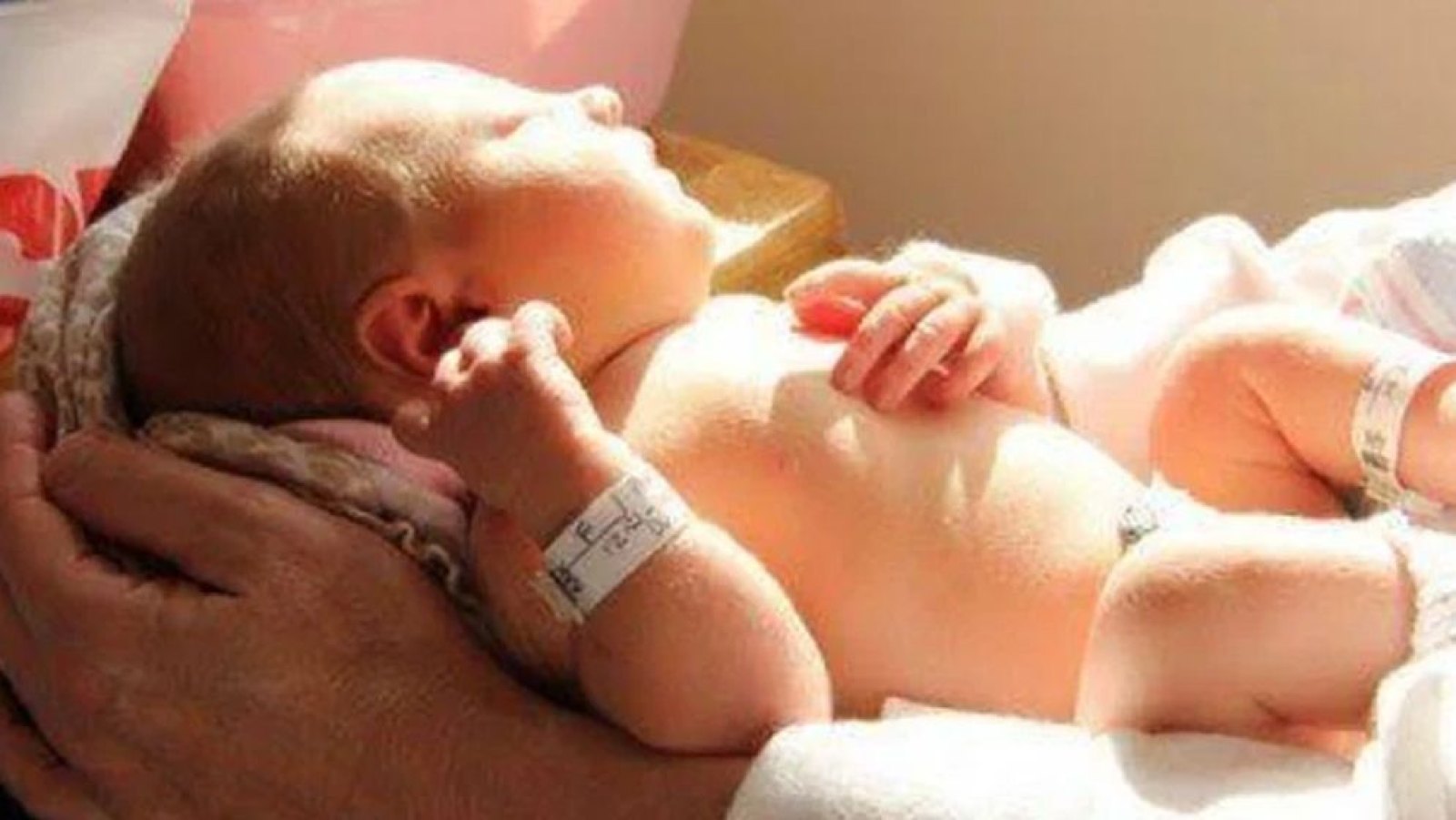
Newborns and other infants younger than 6 months should not be placed in direct sunlight. Their skin is thinner, less mature and more sensitive than adult skin, with weaker natural protection.
Sunlight contains ultraviolet radiation. Direct exposure, particularly with bare skin, can damage an infant’s skin. Excessive heat may also raise body temperature, cause dehydration and lead to sunburn.
Sunlight plays an important role in vitamin D production, but newborns do not need direct sun for this purpose. Regular vitamin D supplements may be given during the first year of life.
As children grow, their skin becomes more tolerant and some sunlight exposure may help vitamin D production. The appropriate duration depends on age, skin color, location, season, time of day and how much skin is exposed.
General guidance cited in the article suggests about 17 to 30 minutes of sunlight at least five days a week for children younger than 1 year, and 30 to 45 minutes for children older than 1 year.
The most effective time for vitamin D production varies by location and season. In general, sunlight between 11 a.m. and 3 p.m. is described as more effective.
Children do not need to be fully undressed. Exposing areas such as the face, hands or parts of the legs can contribute to vitamin D production. The article estimates that about 15-40% of body surface area may be exposed.
Approximate body surface areas are listed as 7-10% for the face, 8% from elbow to wrist, 4% for the palm, 8-12% from knee to ankle and 8% for the rest of the foot below the ankle.
Sunscreen guidance varies by age. Some guidelines emphasize keeping babies younger than 6 months out of direct sunlight, while older children staying outside for long periods may use sunscreen as needed.
It is a misconception that newborns develop jaundice if they are not placed in sunlight. It is also scientifically incorrect to say a jaundiced newborn must be exposed to the sun. Newborn jaundice has separate causes and treatments. Severe jaundice requires tests and medical care on a doctor’s advice, and some cases need phototherapy with special light. Phototherapy is not the same as sunlight, so direct sun should not be used as jaundice treatment.
Newborns should not be left bare-skinned in the sun, but older children should not be kept indoors all the time either. As they grow, they need play, open environments and contact with nature.
Children can spend time outdoors and play in fields, with age, weather and safety taken into account. Sunlight is neither an enemy nor a medicine to use indiscriminately; safe habits and evidence-based decisions are essential.
বাংলায় মূল প্রতিবেদন পড়ুন · Read the original Bengali report