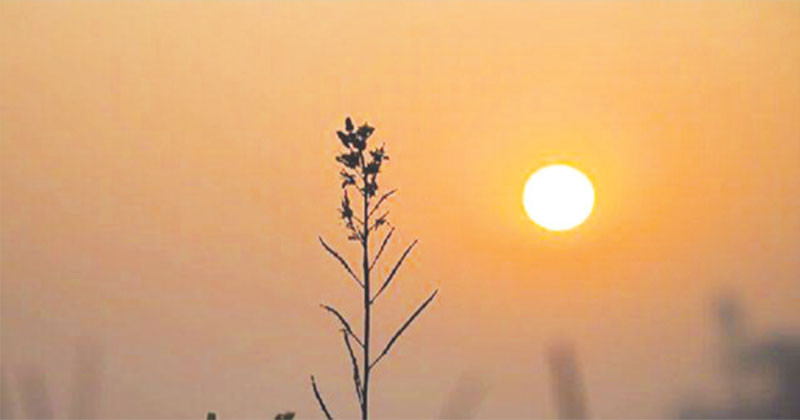
There is a strange beauty in the last light of afternoon. The sun is no longer as fierce as at midday — it grows gentle, dim, and melancholy. A golden glow spreads across everything, but hidden within that beauty is a signal of farewell. Darkness will descend soon after.
Human life is much the same. After the bright morning of birth and the blazing noon of youth, life eventually arrives at its own late afternoon. It is then that a person begins to understand that everything they took such pride in — all the busyness, all the competition — was temporary all along.
People come into the world dreaming of permanence, yet the world grants no one a lasting address. A child is born, filling a family with joy. Gradually the child grows, dreams, struggles, seeks success. One day, the person becomes the head of a household. Then suddenly, in the mirror, they notice the grey in their hair, the lines on their face. Where the vigor of youth went, they themselves cannot say — as if the blazing midday sun had quietly become the last light of afternoon.
In the Holy Quran, Allah says: “The life of this world is nothing but a deceptive enjoyment” (Surah Al-Imran, 3:185). The depth of this verse is truly grasped only when life’s own late afternoon stands before a person.
In youth, people think they have plenty of time. They will pray later, do good later, give time to family later, repent for wrongs later. But afternoon does not wait for anyone. The Quran reminds: “Every soul shall taste death” (Surah Al-Imran, 3:185). No matter how powerful, wealthy, or famous — everyone must depart from this world.
The Prophet Muhammad (peace be upon him) said: “Be in this world as if you were a stranger or a traveler.” A traveler does not become attached to any inn. They know their destination lies ahead. In the same way, this life is merely a wayside stop — the true journey lies beyond it.
বাংলায় মূল প্রতিবেদন পড়ুন · Read the original Bengali report