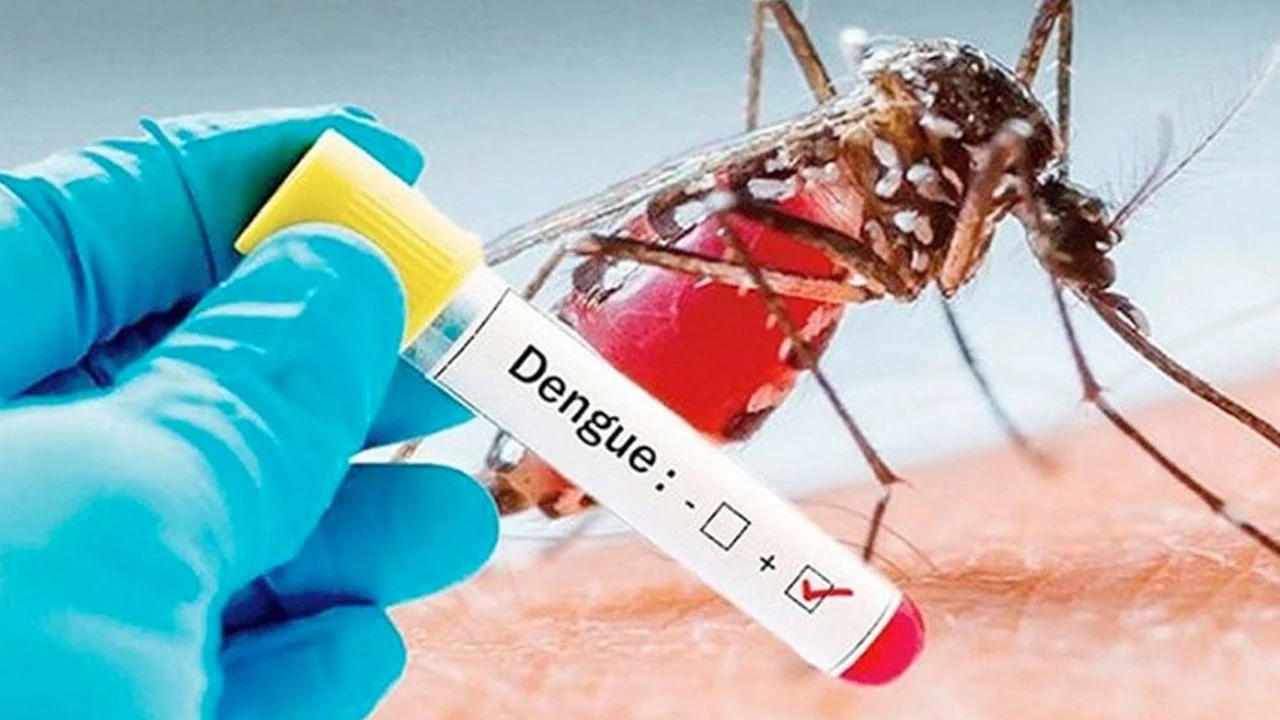
Public health experts and specialist doctors have advised preventing Aedes mosquito breeding, protecting against mosquito bites, and seeing a doctor rather than staying at home when fever strikes, to prevent dengue.
There is no substitute for awareness in guarding against the mosquito-borne disease, they said. There is no vaccine to prevent dengue and no specifically effective drug, yet conditions favourable for mosquito breeding surround us. Active public participation and keeping surroundings clean are therefore essential to raising awareness.
Urging people not to panic but to stay alert over dengue nationwide, public health experts said the main way to prevent it is to control the Aedes mosquito, which first requires greater public awareness. The Aedes mosquito breeds in water that collects inside and outside homes, on rooftops and in various places. Home courtyards should always be kept clean and unnecessary containers holding stagnant water should be discarded.
Usable containers such as flower pots, drums, buckets, and the water trays under air conditioners and refrigerators should never be allowed to hold standing water for more than five consecutive days, they said. Active participation by every citizen is essential to controlling the Aedes mosquito.
According to official figures, 47 people have died of dengue so far this year, up to 28 July. In the same period, 14,156 people were hospitalised with dengue, and a total of 17,009 people have recovered from the disease this year.
Earlier, from 1 January to 31 December 2025, a total of 102,861 people were infected with dengue and 413 died of it.
Public health expert Dr Mushtaq Hossain said the fight against dengue must begin not just in hospitals but in people’s homes, schools, workplaces and local communities. Dengue deaths and suffering can be reduced significantly by detecting patients quickly, protecting people at risk, ensuring social support for poor patients and taking coordinated steps to destroy mosquito breeding sites.
If we treat rain merely as a natural event tied to dengue, the crisis will only deepen, he said. But if preventive measures are strengthened after rainfall, the country can gradually be freed from this annual dengue ordeal.
On treating dengue fever, Dr Hasan Hafizur Rahman, associate professor in the medicine department at Dhaka Medical College Hospital, said there is no substitute for awareness in guarding against the disease. Conditions favourable for mosquito breeding surround us, so active participation by everyone and keeping surroundings clean are essential.
In dengue fever, body temperature can rise to between 102 and 105 degrees Fahrenheit, he said. The fever should be brought down by placing water on the head and wiping the body, and paracetamol-type medicine should be given every six to eight hours depending on the fever’s severity. The main treatment for dengue fever is ensuring adequate fluids in the body; along with water, patients should be given fruit juice, soup, oral saline, coconut water, sherbet and other fluids.
Dr Hasan Hafizur Rahman said the key to preventing dengue is to stop the Aedes mosquito from spreading and to prevent it from biting. The Aedes mosquito lays eggs in clean, clear water, so places suitable for egg-laying must be kept clean and necessary steps taken to kill mosquitoes, along with keeping nearby bushes, undergrowth and water bodies clean.
বাংলায় মূল প্রতিবেদন পড়ুন · Read the original Bengali report