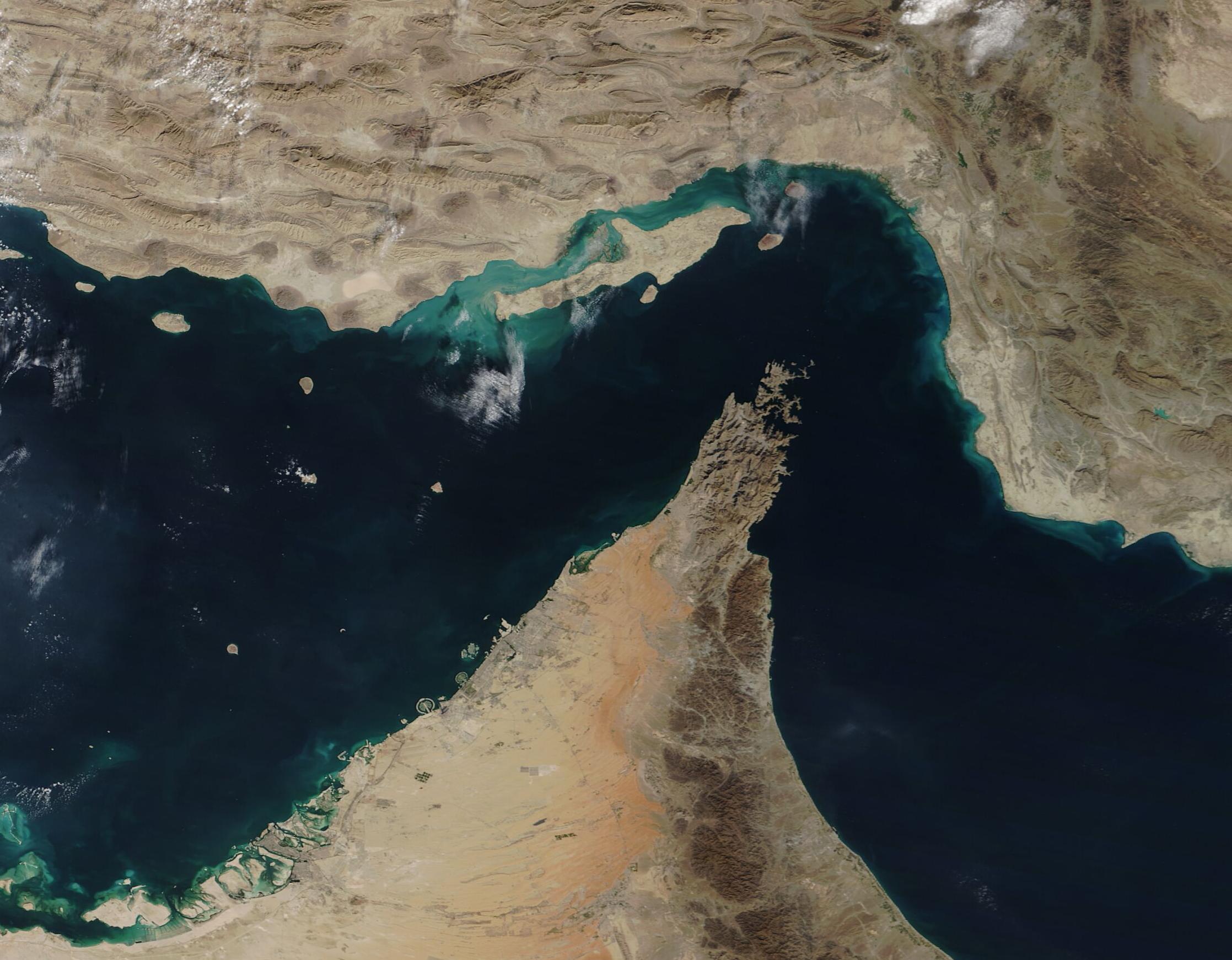
The Strait of Hormuz will never return to the state it was in before the US and Israeli war against Iran began, Iran’s parliament speaker and chief negotiator Mohammad Bagher Ghalibaf has said. In a special interview published on Wednesday, Ghalibaf said Iran and Oman had reached an understanding on overseeing the vital waterway as part of Tehran’s seven-point proposal.
Iran made the proposal to end the conflict, which has lasted eight months. There are no “free waters” (international waters) in the strait, he said, and the 1982 UN Convention on the Law of the Sea does not apply to it. The rules inside the Strait of Hormuz are governed by the laws of its two coastal states.
Ghalibaf said Tehran had given the United States clear answers on its seven conditions through a Qatari mediator and was now waiting for Washington’s formal reply. “The ball is now in the US court,” he said. The conditions he set out include lifting the US naval blockade and sanctions, releasing Iran’s frozen funds, ending the war on all fronts and a clear declaration that the war is over.
These demands were part of the Islamabad memorandum of understanding signed in June, Ghalibaf said, and must be met before Iran sits down for talks with the United States. If the United States makes no extra demands, avoids conduct that breeds distrust and keeps to what has been agreed, a deal can naturally be reached, he said. “The biggest obstacle to a deal is our lack of trust in the United States,” he added.
Ghalibaf said US officials, during a visit to Moscow, had asked Russian President Vladimir Putin to mediate direct talks with Tehran. Warning against any new US attack on Iran, he said US President Donald Trump would face defeat again.
Trump will also come under political pressure from the new Congress that takes office in January, Ghalibaf said. Iran is determined to get out of a situation that is neither war nor peace, he said, stressing the need to build lasting deterrence, including military capability.
On the conflict between the forces of Yemen’s internationally recognised, Saudi-backed government and Ansar Allah, the group known as the Houthis (the Arabic name means “supporters of God”), Ghalibaf said no one should interfere.
“If both sides, the government of Yemen and Saudi Arabia, ask for our help, we will certainly cooperate in resolving their conflict,” he said. In October Iran offered to mediate talks between Saudi Arabia and Yemen’s Houthis. Tehran made the offer after a series of deadly attacks in Saudi Arabia, including one on an airport in the Saudi capital, Riyadh.
বাংলায় মূল প্রতিবেদন পড়ুন · Read the original Bengali report