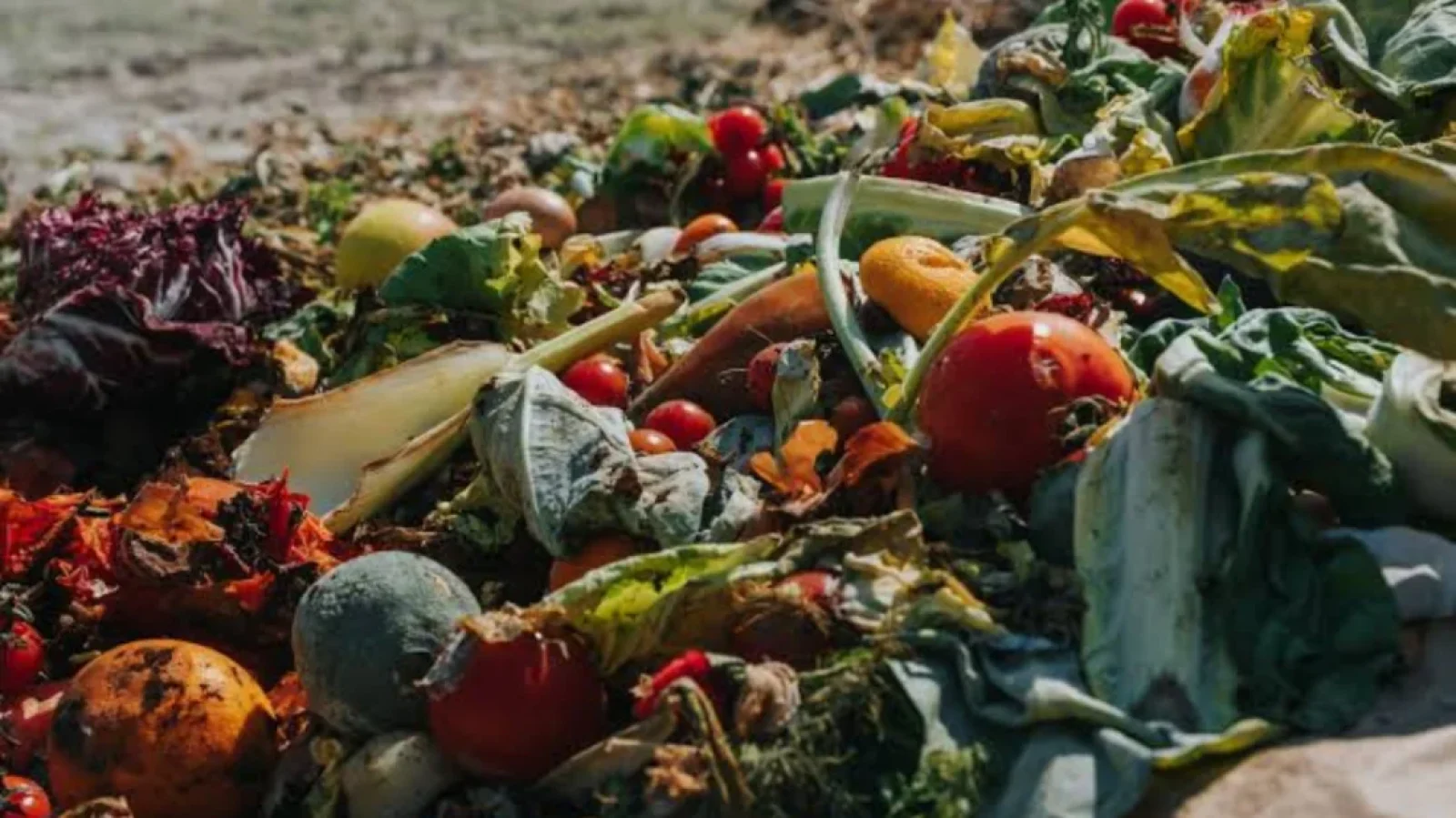
Nearly one in every five plates of food served around the world ends up in the bin. In all, more than 1 billion tonnes of food is wasted each year. Yet according to the United Nations, about 645 million people in the world went hungry in 2025, meaning one in every 13 did not get enough to eat.
The number of hungry people fell for a third year in a row but is still higher than before the coronavirus pandemic. According to the UN’s annual ‘State of Food Security and Nutrition in the World’ report, 7.8 percent of the world’s people faced hunger in 2025, down from 8.1 percent in 2024 and a peak of 8.6 percent in 2022. Even so, about 61 million more people are hungry than in 2019.
Africa has more hungry people than any other region. In 2025 about 309 million people on the continent were undernourished, one in five of Africa’s population and nearly half of all the hungry in the world. In Asia 292 million people were undernourished, 6 percent of the population. In Latin America and the Caribbean the figure was 32 million, 4.8 percent of the population.
The 2026 Global Hunger Index paints a similar picture country by country. It scores countries out of 100 on undernourishment, children who are short for their age (stunting), children who are thin for their height (wasting) and child mortality. A score of 35 or more marks hunger as ‘alarming’.
The index rates hunger as alarming in eight countries, seven of them in Africa. Somalia is in the worst position on the list of 122 countries, followed by the Democratic Republic of the Congo, Chad and Madagascar. Sudan, South Sudan, Burundi and Yemen are also in an alarming state, though conflict and a lack of data meant they could not be given precise scores.
Against that hunger, a vast amount of the food produced in the world spoils before it reaches people. According to the UN Food and Agriculture Organization (FAO), about 13 percent of food produced is lost between harvest and the shop, during storage, transport and processing. Fruit and vegetables suffer the most. The food lost before it reaches shops is worth more than $400 billion a year.
The UN Environment Programme (UNEP) estimates that about a fifth of the food available to consumers in shops, restaurants and homes is thrown away. In 2022 about 1.05 billion tonnes of food was wasted this way. Carrying it would take about 52.5 million trucks of 20 tonnes each.
The largest share of food waste happens at home, 60 percent of the total. Restaurants and other food service businesses account for 28 percent and shops for 12 percent.
On average, each person in the world wastes about 132 kg of food a year, 79 kg of it at home. But the picture varies widely from country to country. According to UNEP, households in hot countries tend to waste more food, possibly because they eat more fresh produce and have limited access to refrigeration.
The Maldives tops the world for food waste per head, at about 260 kg per person a year, nearly twice the global average. It is followed by Syria, the Dominican Republic, Seychelles, Mexico and Tunisia, where each person wastes more than 210 kg a year. At the other end, Spain is among the countries with the least waste, at about 39 kg or less per person a year.
The financial cost of food loss and waste is also huge. According to the UN, it costs the world economy more than $1 trillion a year. Throwing food away also wastes the money, land and energy used to produce it.
About 1.4 billion hectares, or 3.5 billion acres, of land around the world is used to grow food that nobody eats. That is about 28 percent of the world’s farmland, more than the area of Canada.
Lost and wasted food is also responsible for about 8 to 10 percent of global greenhouse gas emissions, including methane given off by food rotting in landfills.
বাংলায় মূল প্রতিবেদন পড়ুন · Read the original Bengali report