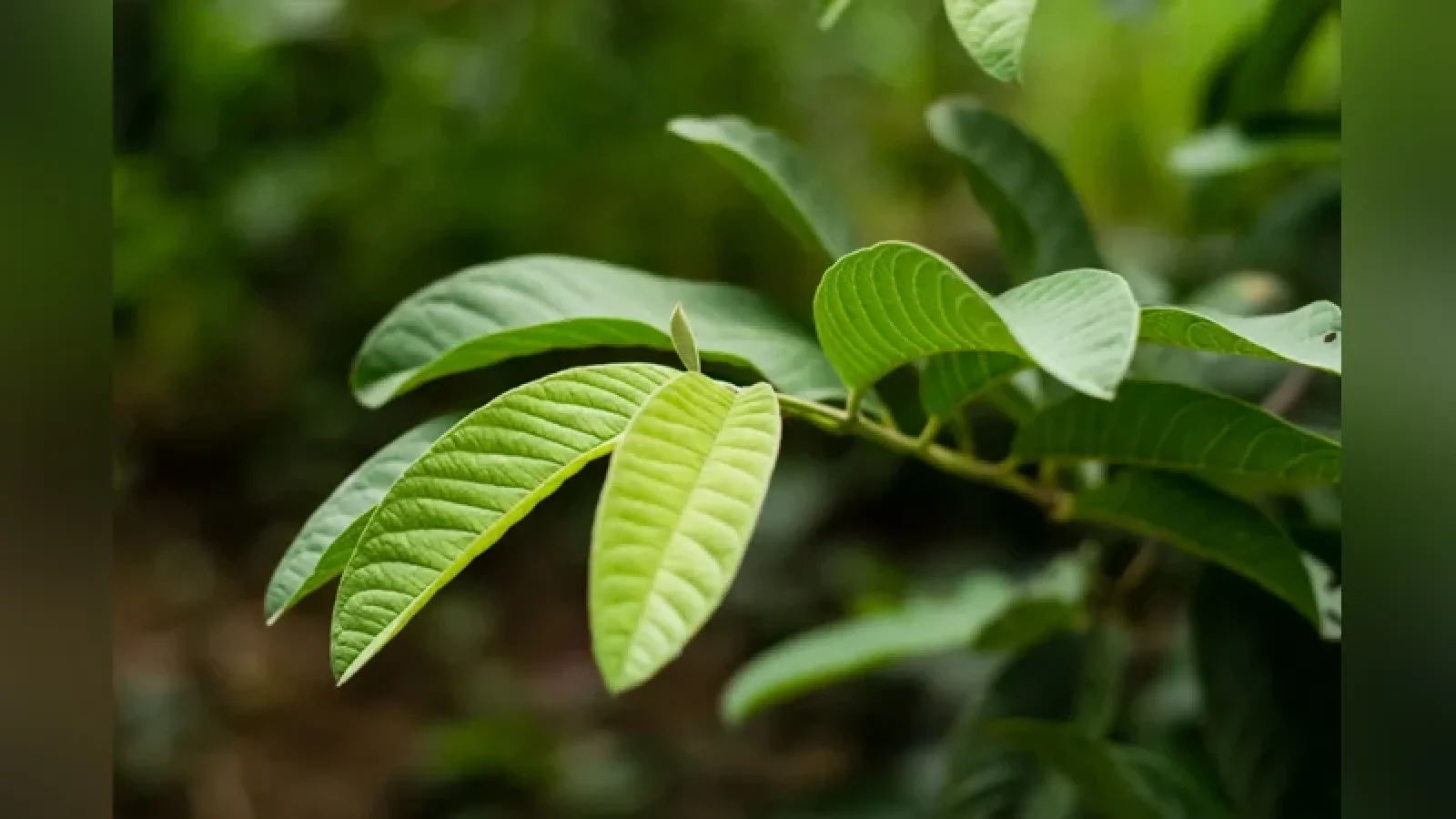
Guava is a fruit rich in vitamin C and other nutrients, and eating it regularly does the body a good deal of good. Like the fruit, the tree’s leaves also contain a number of beneficial compounds, and they have long been used in Ayurveda and folk medicine. According to experts, the antioxidants, flavonoids and other plant compounds in guava leaves may play a positive role in several ways.
May ease digestive problems
Guava leaves have long been used to manage digestive problems. Extract of the leaves is traditionally used for diarrhoea in particular. Studies have found that some compounds in guava leaves may act on gut activity and against germs, although the research is at an early stage.
May help control blood sugar
Some plant compounds in guava leaves may affect how the body absorbs sugar from food. As a result, they may help somewhat to limit the rise in blood sugar after a meal. But guava leaves should not be used as a substitute for diabetes medicine.
May help with cholesterol
Some studies have found that the antioxidants and other plant compounds in guava leaves may help control levels of harmful cholesterol and triglycerides in the blood. More research is needed on this, however.
Good for the skin
The antioxidant and anti-inflammatory compounds in guava leaves may help reduce oxidative stress and inflammation in the body. Laboratory tests have also shown guava leaf extract to be effective against some germs.
May support immunity
The antioxidants in guava leaves help protect the body’s cells from the harmful effects of free radicals, which can strengthen the immune system.
How to use them
A common practice is to boil clean guava leaves in water, strain it and drink the water. It should not be drunk in large amounts, however. People who take diabetes medicine in particular should consult a doctor before taking guava leaf extract regularly.
Source: TV9
বাংলায় মূল প্রতিবেদন পড়ুন · Read the original Bengali report