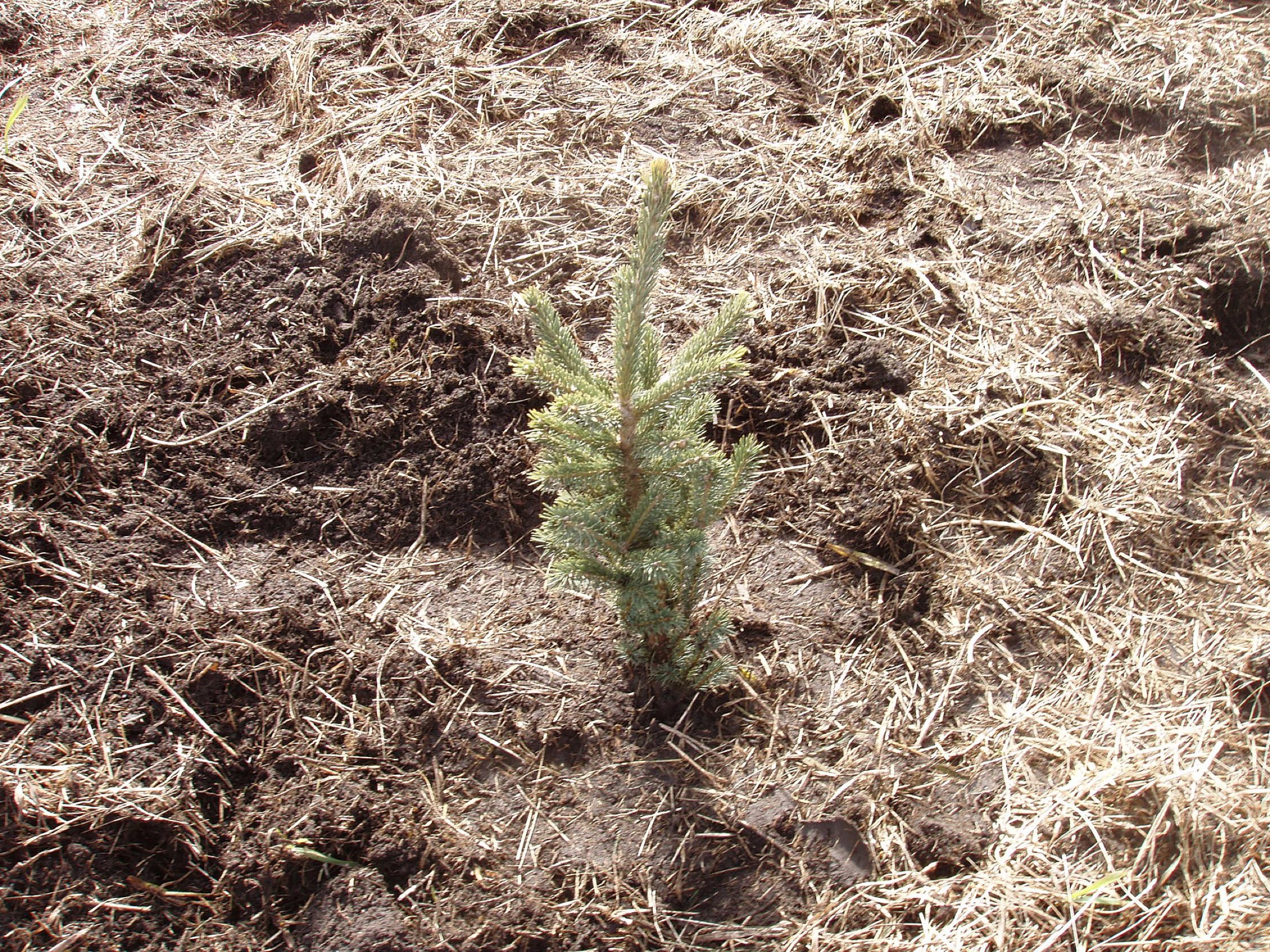
World Environment Day 2026 was observed with the theme of land restoration, halting desertification and building drought resilience — in this critical era of climate change, a theme that amounts to the most urgent call for the survival of human civilisation. Land, forests, water and biodiversity are intimately connected: when a forest is destroyed, it is not merely a few trees that vanish but an ecosystem, a climate-regulating system, the home of countless lives and the security of future generations.
Every year, Environment Day brings a festive air to Bangladesh. Government institutions, ministries, local administrations, development agencies, corporations, social organisations, schools and colleges — tree planting sits at the centre of everyone’s programme. The media reports thousands of saplings planted daily; social media fills with photos of saplings in hand. It looks as if we are living through an unprecedented green revolution. Yet for all the planting news, the overall picture of the country’s forests and tree cover — and the pace of forest loss compared with forest protection — remains alarming. According to Global Forest Watch, the country lost about 270,000 hectares of tree cover between 2001 and 2025 — roughly 14 percent less than in 2000 — including about 15,000 hectares of natural forest in 2025 alone. Only about 14 to 15 percent of total land is now under forest. In the same period a significant share of natural forest has disappeared to development projects, illegal occupation, urbanisation and climate-driven causes. We plant trees on one side and lose them faster on the other.
The root of this contradiction probably lies in how we think about the environment: we treat planting a tree as an event, not raising a tree as a duty. The moment of planting is visible, photographable and publicisable; the three or five years of care that follow are not — and so they are usually neglected. Look around a few months after Environment Day or a planting drive and most saplings have dried up: destroyed by grazing cattle, dead for lack of water, or felled for road-widening and construction. No report ever accounts for the dead saplings — only the number planted. But nature does not understand the language of publicity; nature looks at outcomes. How many stories were published, how many banners hung, how many ceremonies held — none of it has any value to nature. Nature only sees whether a tree truly grew; whether it became shelter for birds; whether people could stand in its shade; whether its leaves made the air a little cleaner.
Bangladesh is now among the countries most at risk from climate change. Heatwaves, drought, riverbank erosion, sea-level rise, salinity, air pollution and the erosion of biodiversity are deepening the environmental crisis. In this reality a tree is not an ornament; it is climate-defence infrastructure, a safeguard of public health and the security of future generations. It is time to shift the centre of our environmental thinking: what matters more than how many trees we planted is how many we kept alive. To build a green, resilient and livable Bangladesh, we must move from “tree-planting programmes” to a “tree-conservation culture” — lifting planting from the realm of festivity to the realm of responsibility. Planting a sapling is a day’s work; a forest is created through decades of care, patience, planning and commitment.
বাংলায় মূল প্রতিবেদন পড়ুন · Read the original Bengali report