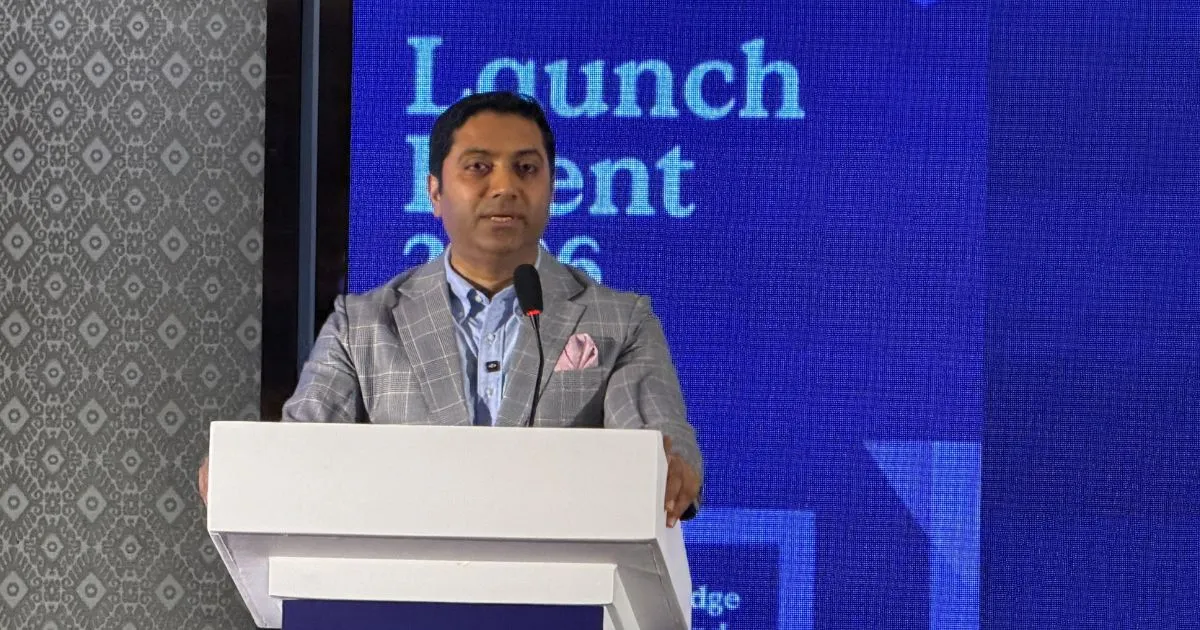
Stressing four core pillars and one new element for the sustainable development of the education system, State Minister for Primary and Mass Education Bobby Hajjaj highlighted modernizing the curriculum, improving teachers, climate-resilient infrastructure, the alignment of streams, and the integration of technology (AI and future jobs).
He made the remarks on Tuesday (June 16) at the Cambridge Press and Assessment Bangladesh Limited Launch Event 2026, organized by Cambridge International Education at the Radisson Blu Hotel in Dhaka.
The state minister said the new government had set a clear, long-term vision for the country’s education system within just four months of taking office. At the heart of this vision, he said, were producing world-class citizens, building skilled human resources, and making education employment-oriented and technology-driven.
The state minister also said more than 27 types of education streams currently exist in the country. A common minimum standard must be ensured for students across these streams, he said, so that students of madrasas, Bengali-medium, English-medium and government primary schools have an equal opportunity in basic knowledge and skills.
Underlining the importance of teachers, Bobby Hajjaj said that just as a car cannot run without wheels, an education system cannot run without teachers. He said discussions were under way on using Cambridge’s teacher-training program and other international experience to ensure world-class training for the country’s large number of teachers.
Officials of the Ministry of Primary and Mass Education, the British High Commission and the University of Cambridge were present.
বাংলায় মূল প্রতিবেদন পড়ুন · Read the original Bengali report