Day-long rain has added to the suffering in the capital, with waterlogging on several important streets. Walking through stagnant water can worsen foot infections, and wearing wet shoes and socks for long periods increases fungal infection, producing reddish rashes and itching or sores between the toes. So the feet must be cared for properly after returning home.
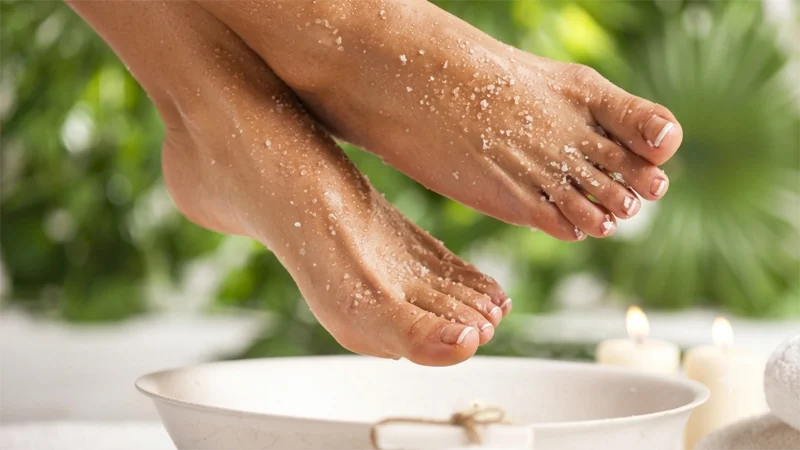
How to care for your feet: Salt acts as an agent that destroys germs, so on returning home, mix salt into warm water and soak your feet in it for about 10 minutes. Then scrub to remove dead skin cells, wash the feet and dry them with a towel. Before going to bed at night, massage the soles with coconut or olive oil to soften dry skin.
Foot masks: A report in the Indian outlet Anandabazar Patrika advises using masks to care for the feet in the monsoon. It says a charcoal mask works well to prevent foot infection, as charcoal removes dirt trapped in the skin’s pores. A vitamin C mask is also effective on the skin of the feet, and a coffee mask is equally beneficial.
Feet tend to smell more in the rainy season, and camphor and talcum powder can reduce that problem. Apply talcum powder well to the feet before putting on socks, mixing a little camphor into the powder to remove the odor. Massaging the feet with tea tree oil mixed with a teaspoon of coconut oil will also clear infection.
A neem and turmeric pack can reduce foot rashes in the monsoon. Grind a handful of neem leaves and a piece of raw turmeric together into a thick paste, apply it well to the feet, especially between the toes, and wash it off with cold water after 20 to 30 minutes.
বাংলায় মূল প্রতিবেদন পড়ুন · Read the original Bengali report