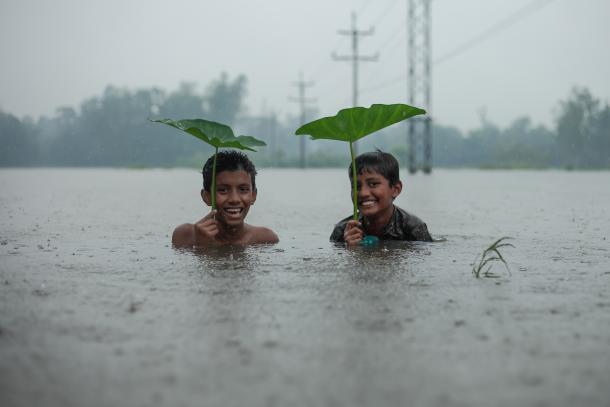
The monsoon may be a relief for nature, but it also brings a range of health risks. Women, in particular, are more likely during this season to suffer from colds and coughs, viral fever, skin infections, urinary infections, fungal disease, dengue, mosquito-borne illnesses and nutritional problems. Extra awareness and self-care are therefore essential for women during the rains.
Morning: Start the day with healthy habits
On waking early, the first step should be to drink one to two glasses of clean water. This helps flush toxins from the body and improves digestion.
Breakfast should include nutritious foods such as eggs, milk, vegetables, fruit and whole grains. To boost immunity during the monsoon, vitamin C-rich fruits such as Indian gooseberry, guava, sweet orange and lemon are beneficial. The habit of clearing standing water from the yard, roof or balcony should be developed, as mosquitoes breed in such places.
Going to work or out
If it rains, one should not stay in wet clothes for long. Wet clothing should be changed quickly. If possible, it is good to carry spare clothes, a scarf or shawl. Feet that stay wet for long periods can develop fungal infection, itching and odor. After returning home, the feet should be washed with soap and kept dry.
It is important to avoid open street food, cut fruit, unhygienic drinks and contaminated water, because food-borne diseases rise during the monsoon.
Midday: Care with food and rest
Lunch should combine rice, fish, lentils, vegetables and salad. Avoiding excessively oily and fatty food reduces digestive problems. The habit of washing hands with soap before and after meals should be maintained. This plays an important role in preventing diarrhea, typhoid and other infectious diseases. Some rest is needed even amid a busy schedule, as excessive mental stress weakens immunity.
Afternoon: Exercise and mental well-being
Many people spend more time indoors during the monsoon, which reduces physical activity. At least 20 to 30 minutes of walking, light exercise or yoga each day keeps the body active. Adequate light and air should be allowed into the home.
Damp environments encourage the growth of fungi and germs, which can cause respiratory problems. For mental well-being, spending time with family, reading, reciting the Quran, performing zikr or taking part in creative activities is beneficial.
Evening: Special attention to cleanliness
After returning home, the hands, face and feet should be washed thoroughly. A bath is best if needed.
Women should pay particular attention to personal hygiene during the monsoon. Those with diabetes need special care of the skin and feet. Even a minor wound or infection must not be neglected.
Night: Healthy sleep and disease prevention
Dinner should be light and easy to digest. Avoiding heavily spiced or fried food is advisable. The use of a mosquito net should be ensured before sleeping. This is highly effective in preventing dengue and other mosquito-borne diseases. At least seven to eight hours of sleep each day boosts the body’s immunity and improves mental health.
Common health risks for women in the monsoon
Urinary tract infection (UTI)
This can arise from drinking too little water, wearing wet clothes for long periods and inadequate hygiene. Drinking enough water and maintaining personal hygiene are essential.
Fungal infection
Fungal infections can develop in body folds, between the toes and in the genital area. Keeping the body dry and using clean clothes reduces the risk.
Dengue and mosquito-borne disease
If fever, headache, body ache or weakness appears, a doctor should be consulted quickly.
Skin problems
Allergies, prickly heat, itching and various skin infections are more common during the rains. Hygiene and the right choice of clothing are important. If any skin problem appears, it is best not to take medicine on one’s own without a doctor’s advice.
In short, ensuring women’s health during the monsoon requires regular hygiene, safe eating habits, drinking clean water, mosquito control, adequate rest and peace of mind. Following health rules consciously at every time of day can offer substantial protection from common monsoon ailments. Awareness and preventive measures remain the most effective way to stay healthy.
বাংলায় মূল প্রতিবেদন পড়ুন · Read the original Bengali report