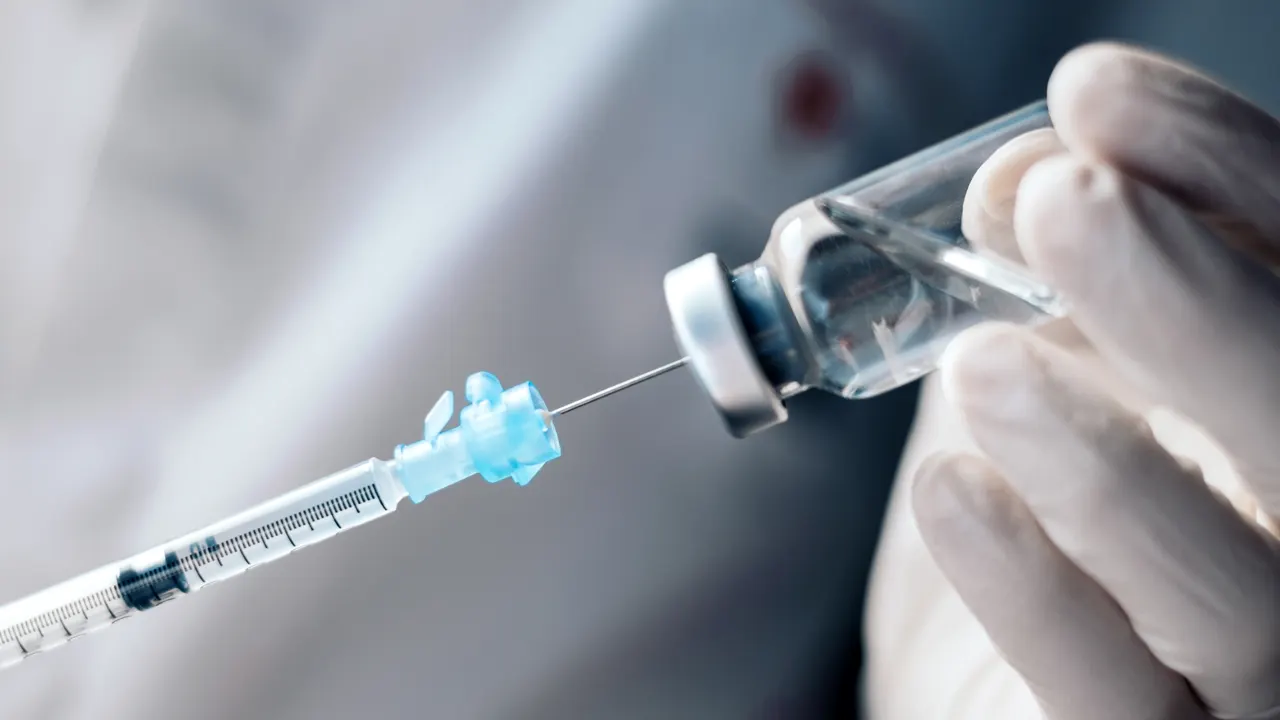
Researchers have signaled new promise in cancer treatment. A vaccine created by analyzing the characteristics of an individual patient’s cancer cells, used alongside an immunotherapy drug, has shown success in a clinical trial in reducing the risk of melanoma, a type of skin cancer, returning.
The vaccine was developed through a joint venture between drugmakers Merck and Moderna. It is given to patients with high-risk melanoma after surgery, alongside an immunotherapy called Keytruda.
In a joint announcement, Merck and Moderna said early trial results showed that patients receiving the combined vaccine-and-Keytruda treatment remained cancer-free for significantly longer than patients receiving Keytruda alone. The risk of the cancer spreading to other parts of the body was also reduced.
The vaccine, called “Intismeran,” is created using a personalized approach — meaning it is prepared based on the specific characteristics present in each patient’s cancer cells. Its goal is to better prepare the patient’s immune system to identify and attack cancer cells.
More than a thousand patients took part in the phase-three clinical trial. All of them faced a high risk of the cancer returning after surgery. Participants included patients with stage two, three and four melanoma.
Researchers see this result as an important advance in cancer treatment, particularly reviving hope for the potential of personalized vaccines to prevent cancer from returning after surgery.
However, experts have advised against drawing final conclusions just yet, because the full trial results have not yet been published, and a detailed review by independent experts has not been completed. It is also not yet clear how durable the vaccine’s benefits will prove to be over the long term.
Once all phases of the clinical trial are complete, the treatment will require approval from the relevant regulatory authority for use. Its use under the UK’s National Health Service (NHS) would also have to go through a separate evaluation and approval process. If the research findings are ultimately confirmed, those involved believe the personalized vaccine could open a new path in treating patients at risk of cancer recurrence after surgery.
বাংলায় মূল প্রতিবেদন পড়ুন · Read the original Bengali report