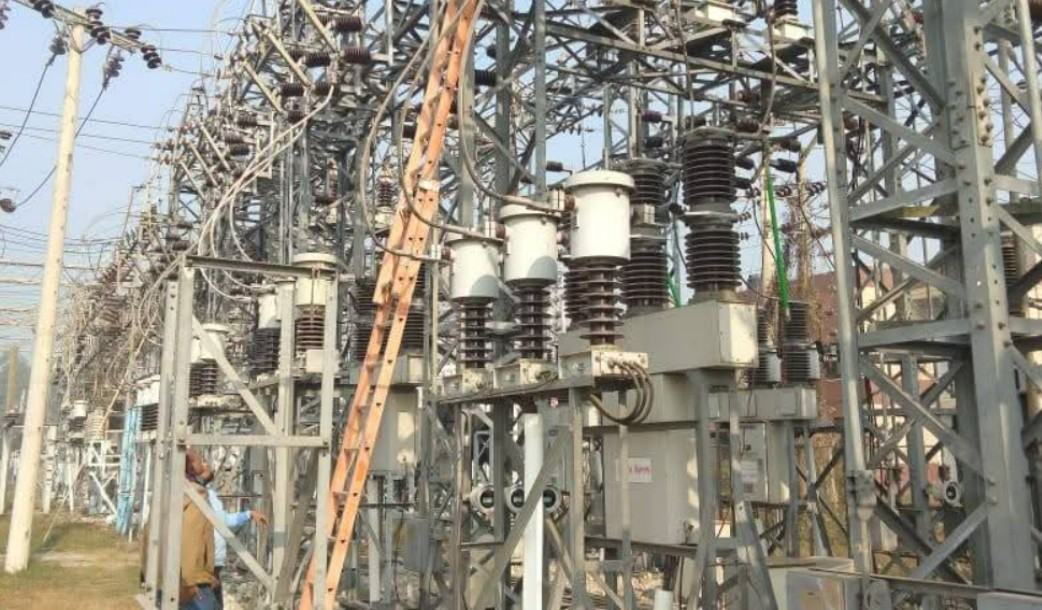
Severe power load-shedding has left ordinary people in Kushtia in distress. Areas under the Kushtia Rural Electrification Association are facing roughly 40% to 60% load-shedding over 24 hours, those concerned said. Frequent outages amid intense heat have caused acute suffering for people of all walks of life, especially children, the elderly and the sick, and are also hitting power-dependent businesses and institutions. People in the rural areas of Kushtia’s six upazilas are also harried by load-shedding. Locals said power goes out repeatedly both day and night, disrupting normal life; as demand rises with the heat but supply falls short, the situation has worsened.
Traders at Khajanagar in Kushtia — Bangladesh’s largest rice-milling hub — said their automatic rice mills were husking paddy, with about 1,800 maunds boiled at a time, and that an outage during this ruins the whole batch, breaking the rice into fragments. Mills keep generators as backup, but the way the generators are running, they fear where their costs will end up. Officials at the Mirpur zonal office of the Kushtia Rural Electrification Association said allocation is falling short of demand, forcing rolling load-shedding — generally about an hour of outage every two to three hours — putting traders, poultry farmers and rice-drying-yard owners in dire straits. A power official said that although there is a schedule on paper, it is not being followed in practice, because the district is not getting power as required. Many areas endure load-shedding into the dead of night, with just one hour of power against three hours of outage across the day. An association official said continuous supply to all areas is not possible on the allocation received, hence the load-shedding, and that outages would ease if allocation rose to match demand. Power consumers in the district have demanded a swift improvement and uninterrupted supply.
বাংলায় মূল প্রতিবেদন পড়ুন · Read the original Bengali report