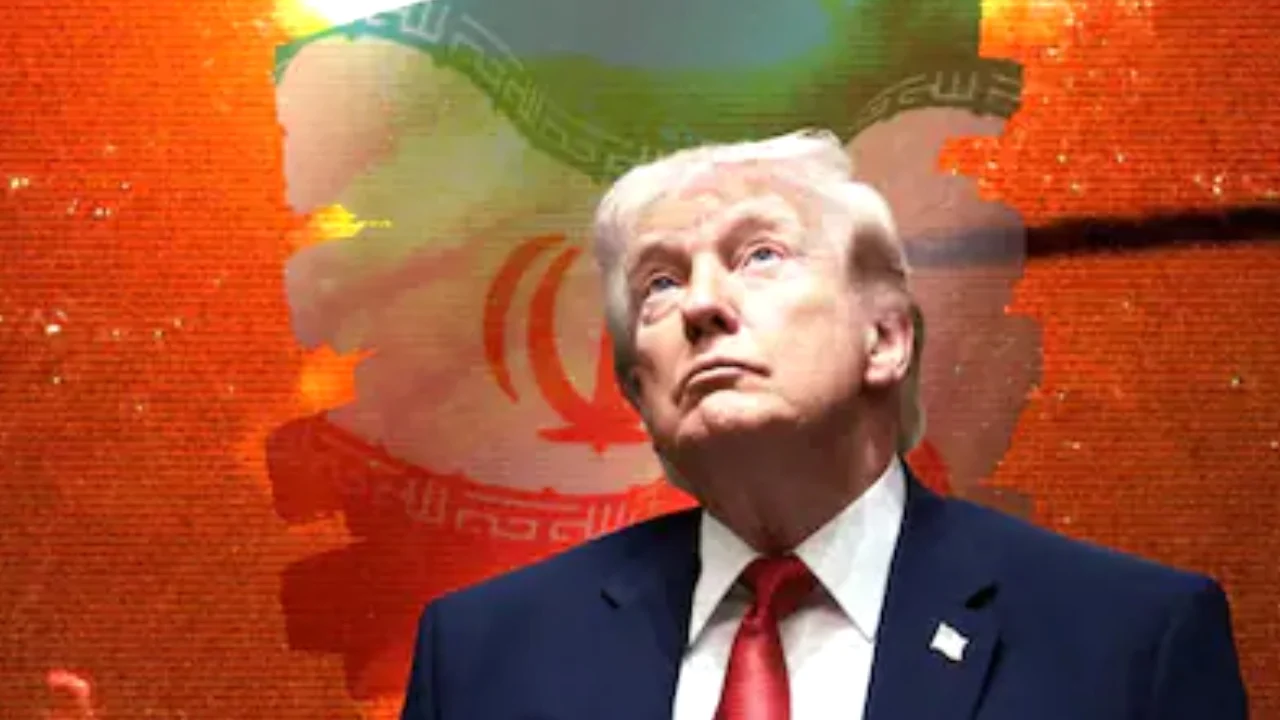
The Trump administration is urgently searching for a current or former Cuban official who could be persuaded to take over the running of the government in Havana, several current and former US officials say. BD Global Times could not independently verify the accounts.
According to the officials, the administration is focused less on changing Cuba’s entire system than on changing the leadership at the top of the existing system — much as happened in Venezuela — and has asked its intelligence agencies to find someone who could play a role like that of Venezuela’s Delcy Rodríguez.
In January, US forces detained Venezuela’s then president, Nicolás Maduro, and took him to the United States, handing the interim presidency to Delcy Rodríguez, whom US officials saw as a “pragmatic” leader who could take power smoothly and work closely with Washington. Some in the administration believe a similar “pragmatic” figure could be found in Cuba.
But people familiar with the intelligence say US agencies assess Cuba’s situation as closer to Iran’s than to Venezuela’s — meaning a “pragmatic” alternative leadership or a peaceful transfer of power would be far harder to achieve than in Venezuela.
According to several US officials, if Cuba’s influential former president Raúl Castro were detained by US forces, or the current leadership were somehow forced out, very few officials would be ready to take power. Those waiting in the wings, they say, represent more hardline factions, as in Iran.
The Trump administration has at times shown interest in working with Cuba’s communist government and at other times pursued plans to remove it. In recent weeks US officials have put demands to Cuban leaders, offering incentives if Cuba shows progress. The administration wants Cuba to further liberalise its economy, open markets to US businesses, buy oil from the United States and expel people linked to Russian and Chinese intelligence activities. Little is known about the exact incentives offered, though they are said to include more humanitarian aid and easing some US sanctions. So far Cuba’s government does not appear willing to make such concessions, making the search for alternative leadership more important.
Cuba has announced several major economic reforms and allowed the private sector to expand, but these steps appear to fall short of the changes the administration demands. Representatives of the Cuban government did not respond to requests for comment, and the White House declined to comment, though one administration official said the United States was ready to open a new chapter with Cuba and that Havana’s government stood in the way. It is unclear whom the White House might favour if no “pragmatic” leader is found.
The Cuban government appears to be promoting Oscar Pérez-Oliva Fraga, a grandson of Fidel Castro’s brother, as a possible successor, giving him more visibility on state television and in official announcements and even a rare interview with international media. He would almost certainly be unacceptable to the United States. The administration may instead consider another member of the Castro family, Raúl G Rodríguez Castro, a grandson of Raúl Castro who long served as his personal bodyguard but has never held a government or elected post. Interior Minister Lázaro Alberto Álvarez Casas is also thought to be potentially acceptable to US officials; CIA director John Ratcliffe met both men during a visit to Cuba this year. The CIA has secretly formed a “Cuba Task Force,” a sign the administration is moving to apply more coordinated pressure on Havana.
When the United States and Israel launched joint military operations against Iran more than five months ago, officials of both countries discussed a plan for regime change in Iran, the officials said. Trump was said to be keen on following the Venezuela model in Iran, believing that after striking and removing Iran’s top leadership his administration would find a leader able to take power and willing to work with Washington. One such plan reportedly centred on Iran’s former president Mahmoud Ahmadinejad, with Israel weighing an effort to return him to power and some US officials backing it. Ahmadinejad was in no way a moderate — as president he called for Israel’s destruction — but after leaving office he became a sharp critic of Iran’s religious leadership, prompting Israel to build ties with him. That plan quickly collapsed, the officials said, when Ahmadinejad grew disillusioned and left a safe house where Israeli intelligence had placed him.
In hindsight, the officials said, the US-Israeli strategy for regime change in Iran was far less planned than the operation to detain Maduro in Venezuela. The United States has effectively imposed a form of blockade on Cuba, leaving the island in deep crisis as fuel supplies run low. How far the administration might go to force a change of leadership is unclear; the US Justice Department has already issued an indictment against Raúl Castro, just as an indictment against Maduro was used to justify the operation to detain him.
বাংলায় মূল প্রতিবেদন পড়ুন · Read the original Bengali report