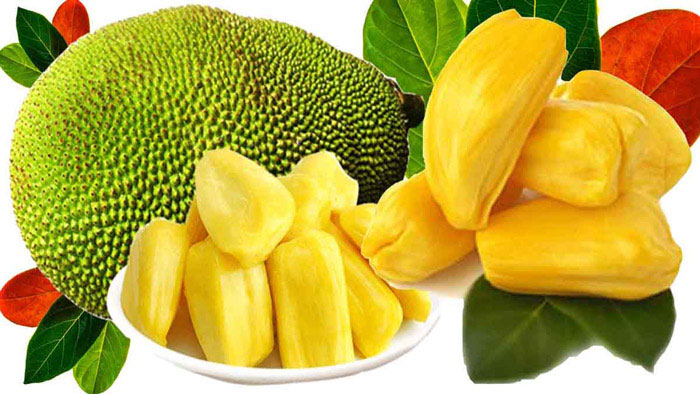
Jackfruit contains nearly all the nutrients the human body needs, which is why it is known as the “king of nutrition” and a food for the poor. Every part — raw, ripe, rind, seed and root — can be used, and each is an excellent source of nutrition. Raw jackfruit and its seeds are cooked as curry, halwa or mash. Jackfruit is Bangladesh’s national fruit; its scientific name is Artocarpus heterophyllus.
Benefits: Nutritionists say jackfruit is packed with nutrition, providing beta-carotene, vitamins A, C, B1 and B2, thiamine, riboflavin, potassium, calcium, magnesium, fibre, protein, antioxidants, manganese, copper and iron. Per 100 grams it provides about 397 kilojoules of energy, 2.0 g of dietary fibre, 19.08 g of sugar, 1.72 g of protein, 24 mg of calcium, 448 mg of potassium and 13.8 mg of vitamin C, among other nutrients. The protein and antioxidants help control blood sugar; the vitamin C helps keep hair, teeth and gums healthy and builds resistance to cancer and tumours; the vitamin A helps prevent night blindness. Its phytonutrients reduce the risk of ulcers, piles and colon cancer and help resist ageing and high blood pressure, while its potassium, fibre and antioxidants lower heart-disease risk. Its calcium and magnesium strengthen bones and help prevent osteoporosis, and its iron helps raise red blood cells, making it beneficial for anaemia. Jackfruit has no harmful cholesterol and little harmful fat, so it carries little risk of weight gain, and its fibre aids digestion and relieves constipation.
Jackfruit seeds: The seeds are a good source of vitamins B1 and B12, and also contain vitamins A and C, thiamine, niacin and phytochemicals such as lignans, isoflavones and saponins. Per 100 grams they provide about 98 calories, with 38.4 g of carbohydrate, 6.6 g of protein and 1.5 g of fibre. The protein helps build muscle, and their low glycaemic index gives energy without adding much weight, making them a good protein source for those who eat little fish or meat.
Rind and roots: Jelly can be made from jackfruit rind, which is rich in vitamin C and antioxidants. Boiled jackfruit root is used in traditional remedies for asthma, fever, diarrhoea and skin problems.
Drawbacks: Jackfruit has drawbacks too. People with diabetes face some restrictions on eating it, and kidney patients with high blood potassium are better off avoiding it. Eating too much jackfruit can also cause indigestion. Various traditional beliefs advise against eating certain foods together with jackfruit, such as milk or papaya, though these food-combination cautions are folk beliefs rather than established medical advice.
বাংলায় মূল প্রতিবেদন পড়ুন · Read the original Bengali report