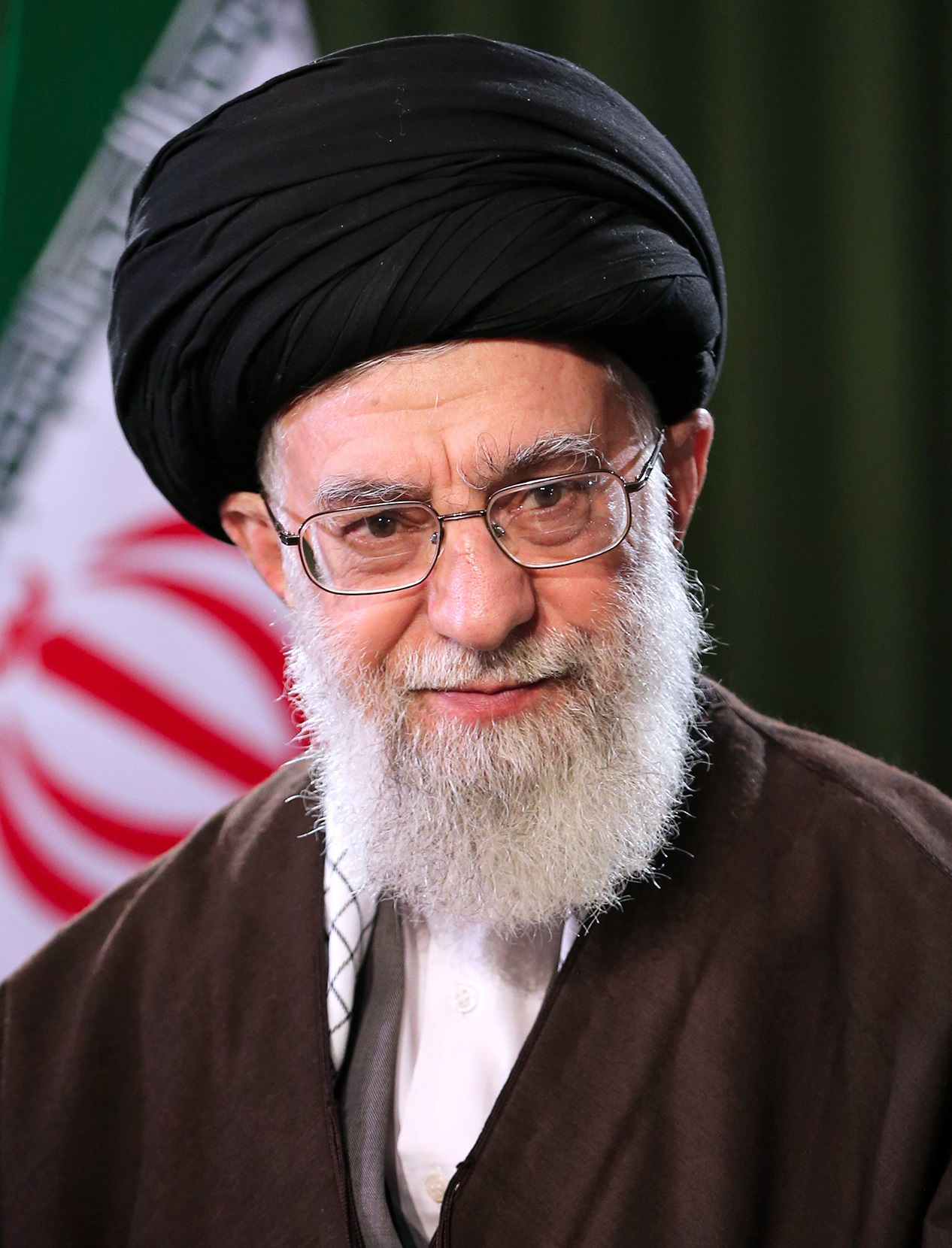
More than four months after the late Iranian Supreme Leader Ayatollah Ali Khamenei was killed in a US-Israeli strike, Iran has begun several days of state mourning and funeral processions.
Khamenei’s body was placed for public viewing at Tehran’s Grand Mosalla from Friday. The main ceremonies will begin at 6 a.m. local time on Saturday at Tehran’s Imam Khomeini Mosalla, where mourners can pay respects until Sunday afternoon. He will be buried in his hometown of Mashhad on Thursday.
Iranian authorities estimated between 12 million and 20 million people could attend, calling it the largest-ever preparations for a state event in Iran. Officials have described it as the “funeral of the century.”
Preparations include thousands of service centers (mawkib) for mourners, accommodation for more than one million visitors, and designated routes through central Tehran for crowd management. The IRGC’s Tehran-based Mohammad Rasulullah Corps is leading the logistics.
AFP reported that authorities have ordered government and private offices in Tehran closed from Saturday through Monday. Private vehicles will be banned from most of central Tehran, and the city’s airspace will be partially restricted from Friday and fully closed from Monday.
Officials said presidents, prime ministers, parliamentary speakers, and ministers from dozens of countries will attend. Approximately 800 foreign journalists are expected to cover the event. Bangladesh National Assembly Speaker Hafizuddin Ahmed has also traveled to Tehran for the funeral.
On Tuesday, the procession will move to Qom, where senior Shia clerics will lead funeral prayers at the Jamkaran Mosque. On Wednesday, the body will be taken to Najaf, Iraq, followed by ceremonies at the shrine of Imam Ali in Karbala — whom Shia Muslims regard as their first imam — before returning to Iran.
Khamenei will be buried at the shrine of Imam Reza in Mashhad, Iran’s most important pilgrimage site, which draws millions of visitors annually. A further 40 days of national mourning will follow, with memorial events planned through the first anniversary of the burial.
Analysts noted the funeral carries both religious and political significance. Some said it offers the Iranian state an opportunity to project unity and strengthen its political narrative, while also symbolically consolidating support for Khamenei’s son and successor, Mojtaba Khamenei. Others cautioned that even a massive public gathering cannot bridge Iran’s deep political and social divisions.
A key unanswered question is whether Mojtaba Khamenei and his siblings will attend. The late supreme leader’s sons have not been seen publicly since the 12-day war last year, and uncertainty remains about Mojtaba’s condition after several family members, including his wife, were killed in the February 28 strike.
বাংলায় মূল প্রতিবেদন পড়ুন · Read the original Bengali report