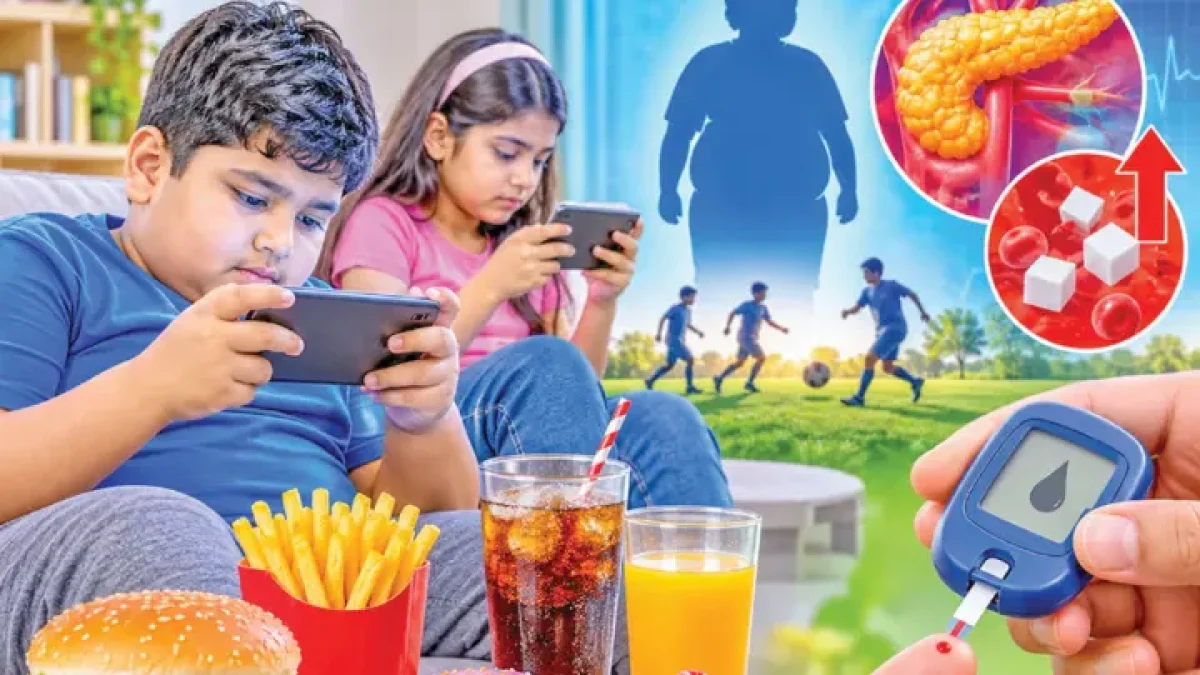
World Diabetes Day 2026 will be observed on November 14 under the slogan “From Awareness to Collective Action,” carrying the annual theme “Early Action on Diabetes.” This year’s campaign focuses on early diagnosis, timely awareness, and everyday lifestyle changes to curb the growing global risk of the disease.
Diabetes is no longer an isolated personal medical concern; it has become a pressing challenge for families and society alike. In Bangladesh, patient numbers are rising at an alarming pace across both urban and rural communities. In cities, cramped housing, unplanned urbanization, a severe shortage of playgrounds, and mechanized daily routines have steadily shrunk opportunities for physical exercise.
At the same time, rural communities are also experiencing a sharp drop in physical labor as mechanization reaches farming and daily chores. Compounding the trend is widespread “screen time” on mobile phones and computers, with children and adolescents spending hours indoors in front of blue screens instead of playing outside, driving childhood obesity and heightening the risk of Type 2 diabetes at younger ages.
Unhealthy shifts in daily diets have accelerated the trend across both towns and villages. Growing demand for fast food, packaged snacks, soft drinks, and bakery goods loads diets with trans fats and refined sugar, raising bad cholesterol levels and impairing insulin function.
Responding to this challenge begins with making the family the first line of defense through regular meals rich in nutritious vegetables, fresh fruit, and high-fiber foods while keeping fried, greasy, and sugary foods off the table. Parents should also limit children’s screen time and encourage outdoor play, cycling, and physical exercise.
Because the World Health Organization notes that many people remain unaware for years that they have diabetes, anyone experiencing warning signs such as excessive thirst, frequent urination, or persistent fatigue should consult a doctor promptly. Protecting parks and playgrounds, expanding healthy recreation for children, and organizing free blood-sugar screening camps through local clubs, civic groups, and healthcare bodies can turn individual awareness into a community movement capable of securing a healthier, diabetes-free future generation.
বাংলায় মূল প্রতিবেদন পড়ুন · Read the original Bengali report